Over the last few months, I’ve been posting chapters from my book, The Root of the Problem: Why We Sin & How We Can Overcome. The list below is an index of all of the posts in this series:
Continue Reading
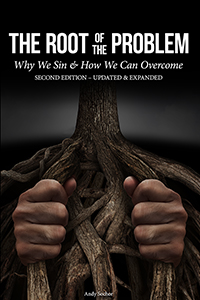 The Root of the Problem is a 21-part series focused on the reasons why we sin so we can learn how to overcome temptation.
This material is also available in paperback. This is the second edition of this book which has been updated and expanded to include discussion questions and additional articles to supplement the material.
A list of all of the articles in this series is available here – The Root of the Problem (Index)
Over the last few months, I’ve been posting chapters from my book, The Root of the Problem: Why We Sin & How We Can Overcome. The list below is an index of all of the posts in this series:
Continue Reading
To remove sin from our lives seems like a daunting, if not impossible, task. While is it true that we have all sinned (Romans 3:23), that does not mean that we must resign ourselves to a sin-filled future. Many, even those who would call themselves Christians, are content to remain in sin. This must not be our attitude. We must be of the mindset that we are uncomfortable in sin, and then work diligently to overcome it.
Continue Reading
When Paul indicted all under sin, he quotes several passages from the Old Testament to describe the sinful state of man: there is none righteous, there is none who does good, their feet are swift to shed blood, etc. (Romans 3:9-17). At the end he reveals the mindset that leads to all these failings:
“There is no fear of God before their eyes” (Romans 3:18).
When one does not fear God, there is no motivation to listen to God. In both the Old and New Testaments, fearing God is connected with one’s obedience.
Continue Reading
If we are to put away sin from our lives, we would do well to remember what Jesus describes as the greatest commandment.
“And He said to him, “‘You shall love the Lord your God with all your heart, and with all your soul, and with all your mind.’ This is the great and foremost commandment” (Matthew 22:37-38).
It is essential that we love God. But it must be a real love – something that goes beyond mere emotion or appreciation. Loving God should lead us to obedience.
Continue Reading
One obstacle to overcoming sin is the failure to develop the love that we are to have for our fellow man. Many sins we commit are against others. When we do such things, we are demonstrating a lack of love for those whom we sin against. Paul tells the saints in Rome that if we start with loving others, many sins will be avoided.
Continue Reading
We sometimes have an odd perception of time. We often stress and worry about matters that must be dealt with in the short term. But when it comes to long term goals and preparations, we tend to take a casual approach to these matters. This is somewhat understandable. The short term matters require immediate attention, so we deal with them. But our long term goals and preparations must be dealt with as well. We cannot continue to put them off for more immediate matters or else we will eventually find that we are too late and have failed to meet those long term goals.
Sadly, this is the attitude many people take toward sin. They know they need to correct sin. They know they need to repent. They know that they must strive for perfection (Matthew 5:48). But they hold on to sin anyway. After all, there is plenty of time for correction later, right? Can we not enjoy sin for a little while now, and give it up at some point in the future?
Continue Reading
It is easy to look at our society today and conclude that self-control is an old-fashioned virtue. If we desire something, we should go get it. If something feels good, do it. This is the message that our culture is preaching to us. But regardless of the prevailing mindset of society, the Scriptures teach us that we must exercise self-control.
Continue Reading










What does “propitiation” mean? How is “justification” connected to salvation? What does “sanctification” look like in our day-to-day lives? The Bible uses some powerful words to describe God’s plan to save mankind. However, these words are not always easy to understand, especially when they are not part of our everyday vocabulary. This book explores key Bible terms that unlock the message of the gospel.
Big Words in the Bible examines five important words – Propitiation, Reconciliation, Sanctification, Justification, and Resurrection – using plain language to see how the Scriptures describe these concepts and how the apostle Paul employs them in his letter to the Romans. This book also contains an appendix with eleven additional articles to explore these topics further.
Whether you are new to the Bible and want to grow in your understanding or want a simple way to explain these core gospel doctrines to others, this book will be helpful. With a focus on the Scriptures, Big Words in the Bible helps break down these fundamental topics to shed light on the life-changing message of the gospel and the salvation found in it.
Available in print and digital format.

This work is licensed under a Creative Commons Attribution-NonCommercial-ShareAlike 3.0 Unported License.
If you have further questions about using any of the material on this site, please contact me.