“They Thought More of Me Than of My Lord”

The following is a quote from J.D. Tant (1861-1941) in which he described an experience he had with some brethren who differed with him on the issue of instrumental music in worship. Tant opposed instrumental music. The brethren he mentioned here accepted it. Yet for Tant’s sake, they did not use it while he was with them.
Continue Reading

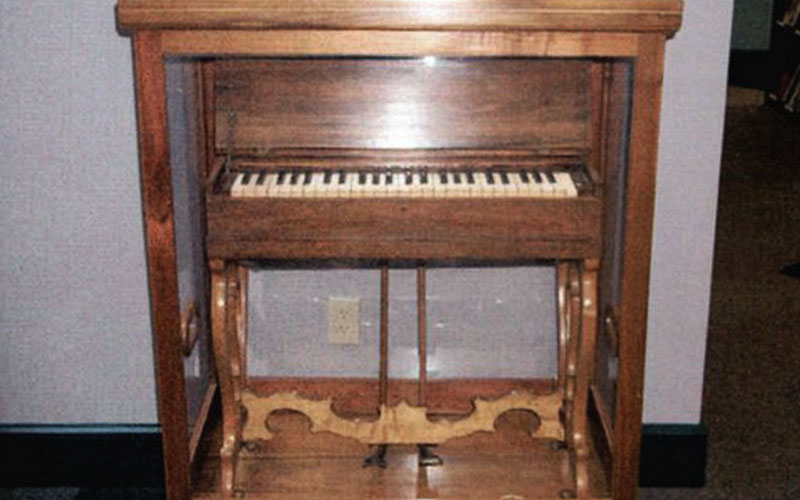
Lessons from the Melodeon at Midway

Midway Melodeon

One of the most significant events of the Restoration Movement was the introduction of a melodeon in the assembly of the church in Midway, Kentucky. According to L.L. Pinkerton, the preacher at Midway, this was the first time an instrument had been successfully introduced among those of the Restoration Movement. He made this claim in 1860.

The reason why this was significant was because of the plea voiced by the preachers of the Restoration – speak where the Bible speaks and be silent where it is silent. Every religious practice would have to pass the test of Scripture. If one could not demonstrate that a practice was according to the New Testament pattern (2 Timothy 1:13), that practice was to be rejected because everything must be done by the authority of Christ (Colossians 3:17). Therefore, instrumental music in worship was widely rejected in the Restoration Movement. It did not fit the pattern revealed in the New Testament which, therefore, made it unauthorized.

So how did the melodeon find its way into the worship of the church in Midway? It certainly did not happen overnight. If we can learn the lessons from this event, then we will hopefully be prepared to guard ourselves against potential apostasies today.
Continue Reading

Instrumental Music in Worship to God

One of the things that sets the Lord’s church apart from most denominations has to do with the music used in worship. Most denominations use instruments in their music for worship. Faithful brethren have rightly opposed this for years. The practice, however, is certainly not going away. There seems to be more and more in the church who see nothing wrong with the use of instruments in worship. Every so often it is necessary to remind brethren why we do not use instruments. To stop teaching on a topic can eventually lead to apostasy. So let us briefly examine why we do not use instrumental music in worship to God.

Before we begin this study though, I believe a point needs to be made. The issue of instrumental music in worship is important, but there is a much larger issue that is at the heart of this. It has to do with Bible authority. What has God authorized us to do? It is important to understand the issue over instrumental music – not just for this one issue, but because the principles we use to determine God’s will on the topic are what we need to use to determine God’s will in so many of the things that we do. With that in mind, let us consider this subject.
Continue Reading

The “Creed in the Deed”

[This article was written by Larry R. DeVore.]

Over many decades, (perhaps since the division between Christian Churches and Churches of Christ) there have been brethren who have put clauses in the deeds to their meeting houses to try to stop any innovations in worship being introduced in the future in their place of worship. In most cases, these have not worked. Here is an example:
Continue Reading

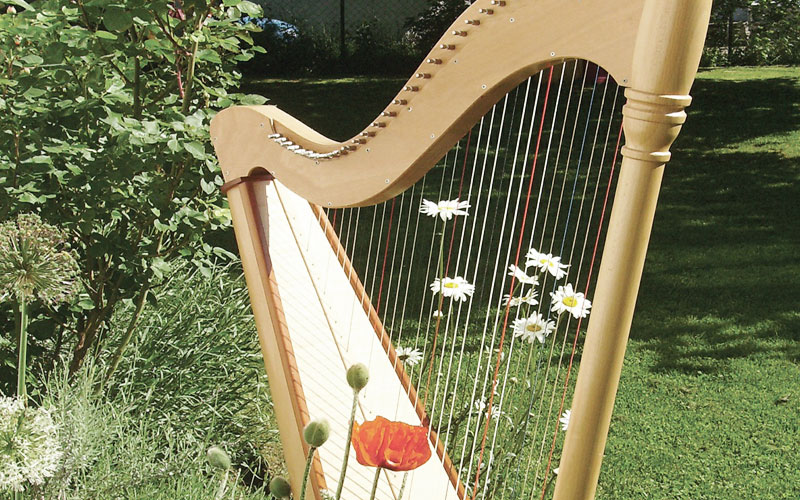
Instruments in Heaven

Harp

Many attempts have been made to justify the use of instruments of music in worship to God. Though we do not see any mention of instruments being used in the first century church or instructions regarding their use, some will turn to the book of Revelation and point out the instruments in heaven. The argument is that since there will be instruments in heaven, we can use instruments today in the church.
Continue Reading


Nation’s Largest Church of Christ Adds Instrumental Music and Saturday Night Communion

[This article was written by Larry R. DeVore.]

Moses E. Lard wrote in April 1865 at the end of the Civil War these words: “He is a poor observer of men and things who does not see slowly growing up among us a class of men who can no longer be satisfied with the ancient gospel and the ancient order of things. These men must have changes; and silently they are preparing the mind of the brotherhood to receive changes. Do not be deceived, brethren, the Devil is not sleeping. If you refuse to see the danger till ruin is upon you, then it will be too late.” (Quoted in Churches of Christ During the Civil War, page 106, by Dayton Keesee). In the light of happenings today among Churches of Christ, he could have written these words in April 2006.
Continue Reading