Who Are You Who Judge Your Neighbor?

James 4:12

We live in a time when tolerance is a chief virtue – not tolerance in the way the Bible defines it, but tolerance for almost any sort of sin or error that may be practiced or promoted by man. As a result, our society is most intolerant of what could be seen as one person judging another. After all, what business do we have judging anyone else?

This is a good question to consider. We certainly must not judge when it is not our place to do so. James wrote, “There is only one Lawgiver and Judge, the One who is able to save and to destroy; but who are you who judge your neighbor?” (James 4:12). Paul wrote, “Now accept one who is weak in faith, but not for the purpose of passing judgment on his opinions” (Romans 14:1). A little bit later he asked: “But you, why do you judge your brother: Or you again, why do you regard your brother with contempt? For we will all stand before the judgment seat of God” (Romans 14:10). One of the most quoted statements by Jesus was spoken in His Sermon on the Mount: “Do not judge so that you will not be judged” (Matthew 7:1).

Do these passages teach that all judgments we might make are wrong? Conversely, is it possible to be wrongly accused of judging others?
Continue Reading

The Common Bond Between Rich and Poor

Rich and Poor

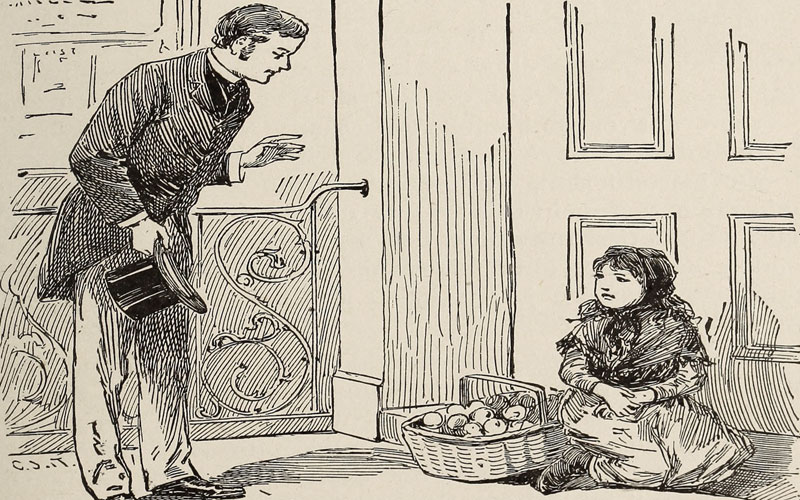
Our society tries to portray the rich and the poor as two completely opposite groups. Obviously, these groups differ greatly with respect to their possessions or income. However, the Bible speaks of a common bond between them that is far more significant than the differences between them.

The Proverb writer noted, “The rich and the poor have a common bond, the Lord is the maker of them all” (Proverbs 22:2). In God’s creation, one economic class does not hold a superior status over the other. In fact, Peter told Cornelius and his household, “I most certainly understand now that God is not one to show partiality, but in every nation the man who fears Him and does what is right is welcome to Him” (Acts 10:34-35).
Continue Reading

Personal Responsibility in the Work of Evangelism

Many in our day and time do not want to take responsibility for their actions. They want to blame others for various problems. They want to leave work that needs to be done for others to do. In contrast with this mentality, we see that the Bible teaches the importance of individual responsibility and personal accountability.

Paul told the brethren in Corinth, “Test yourselves” and “examine yourselves” (2 Corinthians 13:5). We will each stand before Christ in judgment as individuals (2 Corinthians 5:10). Each person’s fate will be determined “according to what he has done, whether good or bad.” On that day, we will not be able to slide into heaven based upon what others have done – whether they may be our family, our brethren, or anyone else.
Continue Reading








