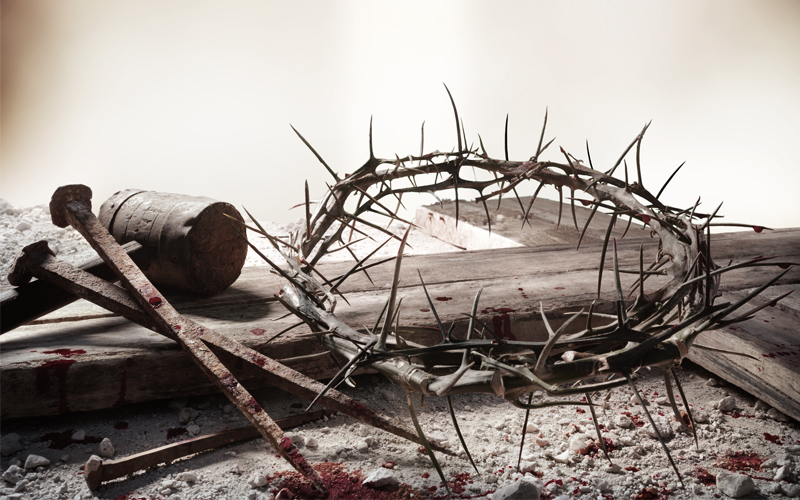
The book of Hebrews was written to emphasize the fact that the new covenant under Christ is better than the old covenant. This is true regarding the priesthood (Hebrews 7:23-28), sacrifices (Hebrews 10:1-4), promises (Hebrews 11:39-40), and so on.
One of the comparisons made by the Hebrew writer had to do with the blood of the sacrifices. The reason why this comparison was important had to do with the fact that blood was inherently connected with the covenant itself. After describing Jesus as “the mediator of a new covenant” (Hebrews 9:15), the Hebrew writer said:
“For where a covenant is, there must of necessity be the death of the one who made it. For a covenant is valid only when men are dead, for it is never in force while the one who made it lives. Therefore even the first covenant was not inaugurated without blood. For when every commandment had been spoken by Moses to all the people according to the Law, he took the blood of the calves and the goats, with water and scarlet wool and hyssop, and sprinkled both the book itself and all the people, saying, ‘This is the covenant which God commanded you’” (Hebrews 9:16-20).
“And according to the Law, one may almost say, all things are cleansed with blood, and without shedding of blood there is no forgiveness. Therefore it was necessary for the copies of the things in the heavens to be cleansed with these, but the heavenly things themselves with better sacrifices than these. For Christ did not enter a holy place made with hands, a mere copy of the true one, but into heaven itself, now to appear in the presence of God for us; nor was it that He would offer Himself often, as the high priest enters the holy place year by year with blood that is not his own. Otherwise, He would have needed to suffer often since the foundation of the world; but now once at the consummation of the ages He has been manifested to put away sin by the sacrifice of Himself” (Hebrews 9:22-26).
If every covenant is inaugurated with blood (Hebrews 9:18), what was it about the blood of the new covenant that made it better than the old covenant? Notice what the Hebrew writer had to say about this:Continue Reading