After the Flood

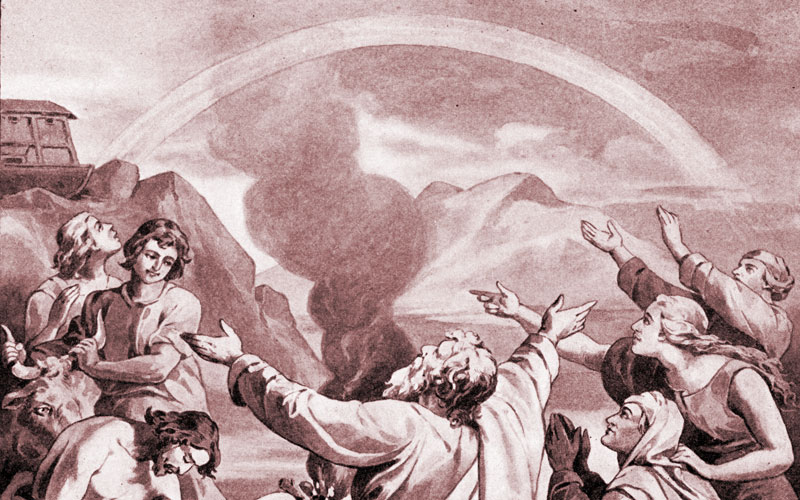
Noah and the Rainbow

Children grow up learning about Noah and the ark. As adults, we study the record of the flood and strive to learn the lessons it teaches – why it happened, how Noah was saved, Noah’s example of obedience, as so on. But there are also important lessons for us that came immediately after the flood. We will notice a few in this article.Continue Reading

“I Will Build My Church”

Matthew 16:18

Simon Peter answered, ‘You are the Christ, the Son of the living God.’ And Jesus said to him, ‘Blessed are you, Simon Barjona, because flesh and blood did not reveal this to you, but My Father who is in heaven. I also say to you that you are Peter, and upon this rock I will build my church; and the gates of Hades will not overpower it’” (Matthew 16:16-18).

One of the more significant statements in the revelation of God’s plan was Jesus’ promise to His apostles, “I will build My church” (Matthew 16:18). Let us break down this statement and see what Jesus is teaching here.
Continue Reading

Some Thoughts on Easter

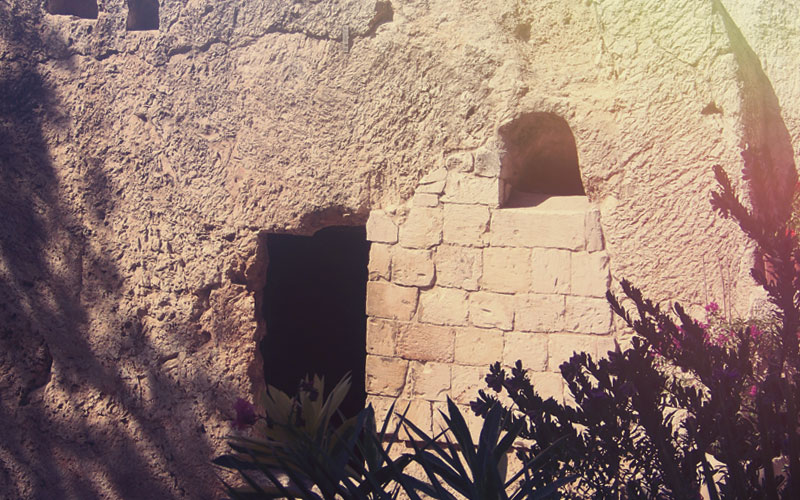
Garden Tomb

As the religious world prepares for the Easter holiday this Sunday, let us be reminded of what the Bible has to say on the topic.

Is Easter in the Bible? Yes and no, depending on what is meant by the question. Is the word Easter in the Bible. Yes, if you are reading the King James Version. When Herod killed James and saw that it pleased the Jews, he intended to do the same to Peter. Luke recorded, “And when he had apprehended him, he put him in prison, and delivered him to four quarternions of soldiers to keep him; intending after Easter to bring him forth to the people” (Acts 12:4).

However, if you read from a different translation, such as the New American Standard Bible, a different word is used instead of Easter: “…intending after the Passover to bring him out before the people.” Which is the correct translation? The Greek word used here is pascha (Passover). It refers to the feast of Unleavened Bread that was instituted for the Jews under the Old Law (cf. Exodus 12:1-27). Easter does not belong in Acts 12:4.
Continue Reading

Some Reflections on the 2011 Florida College Chorus Tour

Being a former student of Florida College and knowing a good number of people who have an affinity to the school, I thought it was important to pass along this article about the troubling practice of the Florida College Chorus performing religious songs.

The performance of these types of songs by the Chorus is nothing new. But the announcement for this year’s tour indicated that “songs, narrations, and scripture readings focusing on the death and resurrection of Jesus” would be included in the performance. During the two years I attended Florida College, I never attended a Chorus concert (even then, I was uncomfortable with these religious songs being performed as entertainment). Shortly after leaving the school, I reluctantly agreed to attend one of these performances when the Chorus came to town on their tour — perhaps I would see my concerns were unfounded (I learned they were not). But I do not remember “narrations and scripture readings” being part of the performance. This appears to be one more step away from the New Testament pattern and toward a pattern of denominational-styled worship experiences.
Continue Reading

The Plumb Line

Plumb Line

God showed the prophet Amos three visions that warned about the coming judgment against Israel (Amos 7:1-9). After the first two visions, Amos protested, pleading for mercy on behalf of Israel. But after the third vision he did not. What was different about the third vision? Answering this question will provide a valuable lesson for us today.
Continue Reading

Lessons from the Melodeon at Midway

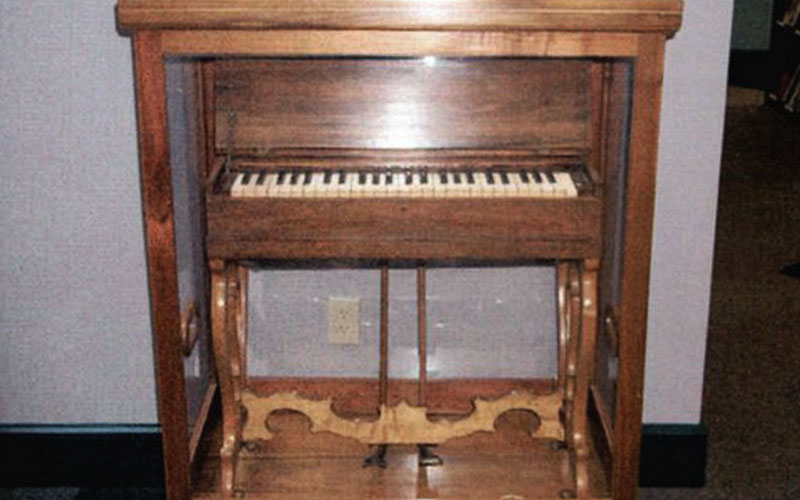
Midway Melodeon

One of the most significant events of the Restoration Movement was the introduction of a melodeon in the assembly of the church in Midway, Kentucky. According to L.L. Pinkerton, the preacher at Midway, this was the first time an instrument had been successfully introduced among those of the Restoration Movement. He made this claim in 1860.

The reason why this was significant was because of the plea voiced by the preachers of the Restoration – speak where the Bible speaks and be silent where it is silent. Every religious practice would have to pass the test of Scripture. If one could not demonstrate that a practice was according to the New Testament pattern (2 Timothy 1:13), that practice was to be rejected because everything must be done by the authority of Christ (Colossians 3:17). Therefore, instrumental music in worship was widely rejected in the Restoration Movement. It did not fit the pattern revealed in the New Testament which, therefore, made it unauthorized.

So how did the melodeon find its way into the worship of the church in Midway? It certainly did not happen overnight. If we can learn the lessons from this event, then we will hopefully be prepared to guard ourselves against potential apostasies today.
Continue Reading

The Missing Prophet

Adonijah

As David neared the end of his life, one of his sons, Adonijah, presumed to make himself king in David’s place (1 Kings 1:5). However, both David and the Lord indicated that Solomon should be king (1 Kings 1:17; 1 Chronicles 22:9-10). In the end, Solomon succeeded David on the throne (1 Kings 1:39) and Adonijah was put to death (1 Kings 2:24-25).

When we compare the rule of these two men — Solomon’s legitimate rule and Adonijah’s illegitimate rule — we find a notable difference between their administrations.
Continue Reading