The Mystery of Godliness

The Apostle Paul

Many churches have some statement of faith or confession that they adopt as a unifying belief. A common one is the “Apostles’ Creed”* (despite the name, it did not originate with the apostles, but came about in the fourth century). Some churches recite this in their worship services.

We might agree with the content of the Apostles’ Creed if we are careful how we define the terms. However, rather than adopting a man-made confession like this, we should go to the Bible. Paul expressed a statement of faith about Jesus in his first letter to Timothy:

“By common confession, great is the mystery of godliness: He who was revealed in the flesh, was vindicated in the Spirit, seen by angels, proclaimed among the nations, believed on in the world, taken up in glory” (1 Timothy 3:16).

He said this was a “common confession” among Christians, and these points were “without controversy” (KJV) in the first-century church. This is what they believed, and we must believe these things as well.

So what is this “mystery of godliness”? By using the term “mystery,” Paul referred to something that was previously hidden but has now been revealed. They all pertain to spiritual truth. In this article, we will examine this “common confession” and see what we should believe about Jesus.Continue Reading
The Vital Truth of Jesus’ Resurrection

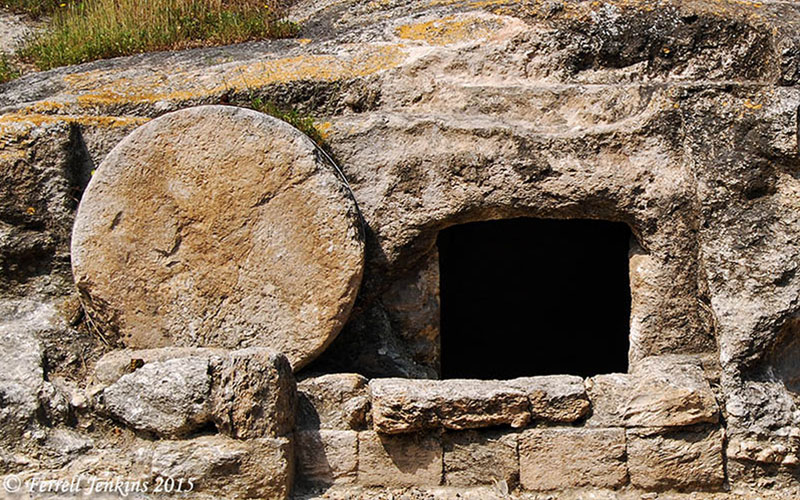
Empty Tomb

The resurrection of Jesus Christ happened almost two thousand years ago, yet it is still remembered, is still talked about, and continues to impact the lives of people throughout the world. The preaching of the apostles was filled with it (Acts 2:22-24, 32; 3:15; 4:10; 5:30; 10:38-43; 13:29-31; 17:31; 26:23). Today, we continue to proclaim the resurrection of Jesus from the dead. But why? And what evidence do we have that this event happened? Let us consider a few points.Continue Reading

“Jesus Wept”

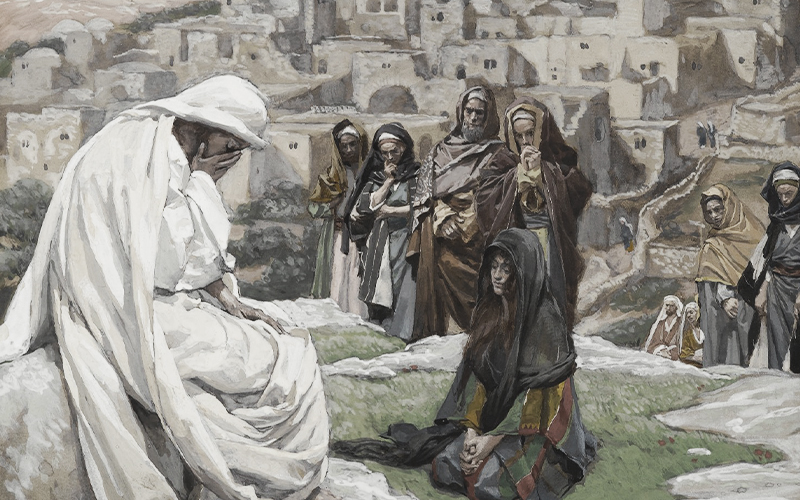
Jesus Wept

The shortest verse in the English Bible contains just two words: “Jesus wept” (John 10:35). Yet there is much to be learned from this brief statement. The context describes Jesus’ response to the death of Lazarus, who was a personal friend of His. Jesus would raise Lazarus from the dead, but an emotional scene preceded this event.

“Therefore, when Mary came where Jesus was, she saw Him, and fell at His feet, saying to Him, ‘Lord, if You had been here, my brother would not have died.’ When Jesus therefore saw her weeping, and the Jews who came with her also weeping, He was deeply moved in spirit and was troubled, and said, ‘Where have you laid him?’ They said to Him, ‘Lord, come and see.’ Jesus wept” (John 11:32-35).

What can we learn from this passage? Let us consider a few points.Continue Reading

Big Words in the Bible (Part 5): Resurrection

Big Words in the Bible

The final word we will discuss in our series is resurrection. It is likely the one with which we are the most familiar. There is a lot we could say about it, but we will consider some highlights to show why this word is so important. As we will see, without this, none of the other words we have studied in this series would matter.

“Paul, a bond-servant of Christ Jesus, called as an apostle, set apart for the gospel of God, which He promised beforehand through His prophets in the holy Scriptures, concerning His Son, who was born of a descendant of David according to the flesh, who was declared the Son of God with power by the resurrection from the dead, according to the Spirit of holiness, Jesus Christ our Lord, through whom we have received grace and apostleship to bring about the obedience of faith among all the Gentiles for His name’s sake, among whom you also are the called of Jesus Christ…” (Romans 1:1-6).

The word translated as “resurrection” (anastasis) means a raising from the dead. It describes one being raised to new life. Jesus died on the cross and was raised from the dead, which gives us hope beyond this life.Continue Reading

The Gates of Hades Will Not Prevail

Rusty gate

“Now when Jesus came into the district of Caesarea Philippi, He was asking His disciples, ‘Who do people say that the Son of Man is?’ And they said, ‘Some say John the Baptist; and others, Elijah; but still others, Jeremiah, or one of the prophets.’ He said to them, ‘But who do you say that I am?’ Simon Peter answered, ‘You are the Christ, the Son of the living God.’

“And Jesus said to him, ‘Blessed are you, Simon Barjona, because flesh and blood did not reveal this to you, but My Father who is in heaven. I also say to you that you are Peter, and upon this rock I will build My church; and the gates of Hades will not overpower it’” (Matthew 16:13-18).

In the passage above, Jesus asked His disciples what others said about Him and what they would say. Peter confessed that Jesus was the Christ, the Son of the living God. This was the basis for Jesus’ promise to build His church. His identity would be the foundation.

Immediately after making this promise, He said that not even “the gates of Hades” would “overpower it” or “prevail against it” (KJV). Hades is described in the Bible as the realm of departed spirits where they will experience either comfort or torment (Luke 16:19-31). Jesus’ point was this: Death would not stop His plan for His church. Let us notice four ways in which this is true.Continue Reading

Answering Basic Questions (Part 5): What Is the Gospel?

Answering Basic Questions

We often talk about the importance of preaching the gospel. But what does that mean? The gospel is foundational to our faith. Therefore, if we are to be “ready to make a defense…for the hope that is in [us]” (1 Peter 3:15), then we ought to be able to concisely explain it to others.

So what is the gospel? Let us consider four points here.Continue Reading

What Americans Believe about the Resurrection (04.01.21)

Subscribe: Apple Podcasts | Google Podcasts | Stitcher | Spotify | RSS

Plain Bible Teaching Podcast

With Easter Sunday being this weekend, many people are focused on the resurrection of Jesus. While “Easter” may not be in the Bible, the resurrection is a fundamental fact of the gospel. What do people believe about Jesus’ resurrection? What lessons do we learn from the resurrection? We’ll discuss this in this week’s episode.

STORY – “What Do Americans Actually Believe About the Resurrection?”

“The truthfulness of the resurrection is not as controversial today as many Christians may assume. The bigger issue, however, may be helping Americans recognize the relevance of Jesus rising from the dead.

“Two-thirds of American adults (66%) say they believe the biblical accounts of the physical resurrection of Jesus are completely accurate, according to the 2020 State of Theology from Lifeway Research. One in 5 (20%) disagree, and 14% are not sure.”

“One group that is more likely to deny the resurrection is the next generation. A majority of 18- to 34-year-olds (59%) say they don’t believe the biblical accounts of Jesus bodily resurrection.” (Lifeway Research)

Related material:

Thanks for listening!

If you found this episode to be helpful, please share it with others. Thanks.

Subscribe: Apple Podcasts | Google Podcasts | Stitcher | Spotify | RSS