Leaving Behind the Fruit of Our Labor

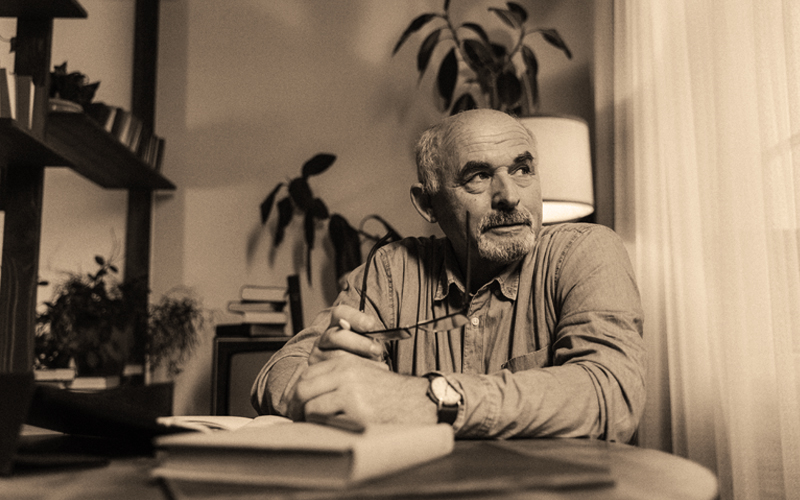
Older Man Thinking

In the book of Ecclesiastes, the wise man spoke about the futility of life “under the sun.” One of the reasons why he saw his earthly existence as futile was that he would leave the fruit of his labor to someone else. In the passage below, he described the real possibility that his earthly possessions would be left to someone who would squander them or act foolishly with them.

So I hated life, for the work which had been done under the sun was grievous to me; because everything is futility and striving after wind.

Thus I hated all the fruit of my labor for which I had labored under the sun, for I must leave it to the man who will come after me. And who knows whether he will be a wise man or a fool? Yet he will have control over all the fruit of my labor for which I have labored by acting wisely under the sun. This too is vanity.

Therefore I completely despaired of all the fruit of my labor for which I had labored under the sun. When there is a man who has labored with wisdom, knowledge and skill, then he gives his legacy to one who has not labored with them. This too is vanity and a great evil.

For what does a man get in all his labor and in his striving with which he labors under the sun? Because all his days his task is painful and grievous; even at night his mind does not rest. This too is vanity” (Ecclesiastes 2:17-23).

What’s the point? In essence, this was what the wise man was asking. He viewed with despair the prospect of the material things he worked hard to obtain and maintain going to someone who would not appreciate or use them properly.

When we reach the age at which our time on earth is growing shorter, we will likely start having similar thoughts as the wise man. We may ask, What should happen with our wealth or possessions when we die? Are there principles and instructions in God’s word that will help us with this? Yes! We will consider some points in this article.Continue Reading
The Gates of Hades Will Not Prevail

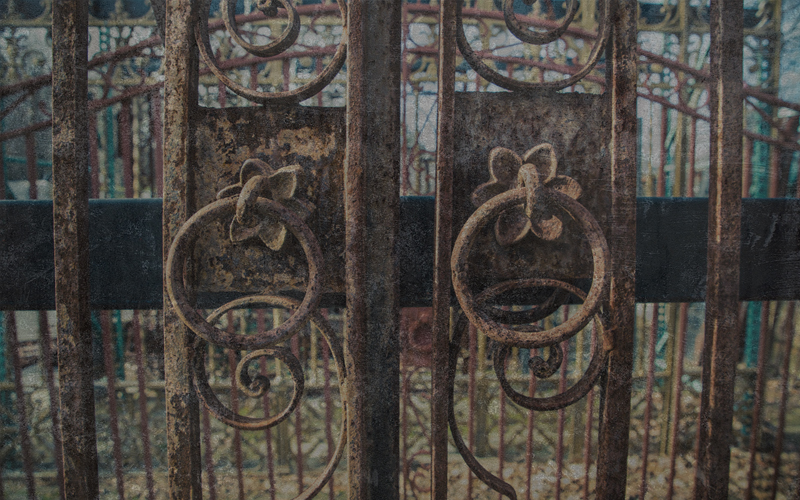
Rusty gate

Now when Jesus came into the district of Caesarea Philippi, He was asking His disciples, ‘Who do people say that the Son of Man is?’ And they said, ‘Some say John the Baptist; and others, Elijah; but still others, Jeremiah, or one of the prophets.’ He said to them, ‘But who do you say that I am?’ Simon Peter answered, ‘You are the Christ, the Son of the living God.’

And Jesus said to him, ‘Blessed are you, Simon Barjona, because flesh and blood did not reveal this to you, but My Father who is in heaven. I also say to you that you are Peter, and upon this rock I will build My church; and the gates of Hades will not overpower it” (Matthew 16:13-18).

In the passage above, Jesus asked His disciples what others said about Him and what they would say. Peter confessed that Jesus was the Christ, the Son of the living God. This was the basis for Jesus’ promise to build His church. His identity would be the foundation.

Immediately after making this promise, He said that not even “the gates of Hades” would “overpower it” or “prevail against it” (KJV). Hades is described in the Bible as the realm of departed spirits where they will experience either comfort or torment (Luke 16:19-31). Jesus’ point was this: Death would not stop His plan for His church. Let us notice four ways in which this is true.Continue Reading

The Expansion of Assisted Suicide (12.15.22)

Subscribe: Apple Podcasts | Google Podcasts | Stitcher | Spotify | RSS

Plain Bible Teaching Podcast

This week we’re going to talk about assisted suicide (also called “medical assistance in dying”). This is a practice that is rapidly expanding in Canada after the country legalized it a few years ago. With the way our culture continues to devalue human life, this trend is not surprising and it may not be long before it spreads to this country. As Christians, it’s important that we have an understanding of what the Bible teaches that pertains to this issue. So that’s what we’re going to discuss in this episode.Continue Reading

Answering Basic Questions (Part 12): What Happens When We Die?

Answering Basic Questions

Death is a sad reality of life. Everyone understands this, whether they are religious or not. But what comes after death? Many wonder about this, but not everyone has an answer that satisfies their curiosity. However, if we look to the Bible, we can find the answer to this question.

What happens when we die? Let us notice four points.Continue Reading

Monthly News Roundup (04.28.21)

Subscribe: Apple Podcasts | Google Podcasts | Stitcher | Spotify | RSS

Plain Bible Teaching Podcast

This is the last episode for the month of April – time for our monthly news roundup. In this episode, we’ll be talking about how people view life after death, a state that has blocked abortion access, and young people who are leaving social media.Continue Reading

What Has This Year Taught Us?

Masked couple

With a global pandemic, lockdowns, economic woes, a contested Presidential election, and more, this has been quite an unusual year. While the wise man noted that “there is nothing new under the sun” (Ecclesiastes 1:9), from our perspective it can seem like we are living in unprecedented times.

As the events of this year have unfolded, there are some important truths that have been highlighted. These have always been true, but they are more apparent in light of recent events. Let us briefly consider a few points.Continue Reading

How to Walk by Faith and Not by Sight

Man in Forest

For we walk by faith, not by sight” (2 Corinthians 5:7).

The statement above is found in Paul’s second letter to the church in Corinth. We could say that this is the fundamental idea behind being a Christian. But what does it mean? How do we “walk by faith” and “not by sight”? To answer that question, we can look at the context.

In this context (2 Corinthians 4:16-5:9), Paul described six great contrasts. Examining these will show the meaning of our text above. Let us consider these here.Continue Reading