"May the Lord Give Me Another Son" (1/22)

Thought from today’s Bible reading from Genesis 30-31.

After Leah bore four sons to Jacob (Genesis 29:31-35), her sister Rachel was jealous, wishing she would also be able to bear children. Her emotions got the best of her. She demanded of Jacob, “Give me children, or else I die” (Genesis 30:1). Jacob reminded her that he was not in the place of God; therefore, he could only do so much (Genesis 30:2).

After this, Rachel gives Jacob her handmaid and she bore him two sons (Genesis 30:3-8). Then Leah gave him her handmaid and she bore two more sons (Genesis 30:9-13). Later, Leah bore Jacob another two sons and a daughter (Genesis 30:17-21). All the while, Rachel was barren. Then, at last, God allowed her to conceive.
Continue Reading

Facts About Idols

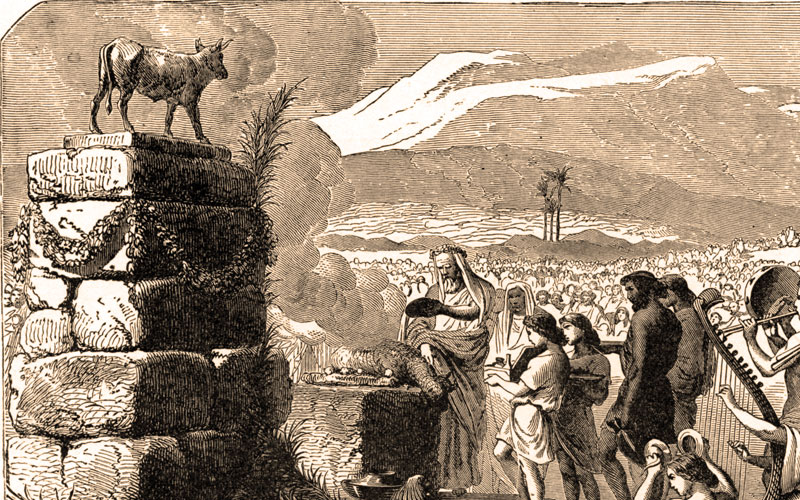
The Golden Calf

Idolatry is condemned in both the Old and New Testaments (Exodus 20:3-6; 1 Corinthians 6:9). There are a number of things that have the potential of becoming idols for us if we allow them. They are not limited to graven images but could include things like money, possessions, careers, and even people. The warning issued by John at the end of his first epistle – “Little children, guard yourselves from idols” (1 John 5:21) – remains an important reminder for Christians today.

With the danger of idolatry being a reality and having the divinely given warning in mind, let us notice a few facts about idols.
Continue Reading

Blessed Be the Name of the Lord (1/4)

Thought from today’s Bible reading from Job 1-5.

Blessed be the name of the Lord” (Job 1:21).

It is typically easier and more natural to praise God during times of blessing and prosperity. Yet this was not the occasion with Job. He had just received word that his sons and daughters and much of his wealth was gone. All of this was unexpected. Satan was sure this would provoke Job to curse the Lord (Job 1:11). Yet notice Job’s response to this great calamity:
Continue Reading

Thoughts on the New Year

Happy New Year

As the beginning of another year rapidly approaches, Christians can use this time in three ways: as a reminder, as an opportunity, and as a warning.
Continue Reading

After the Flood

Noah and the Rainbow

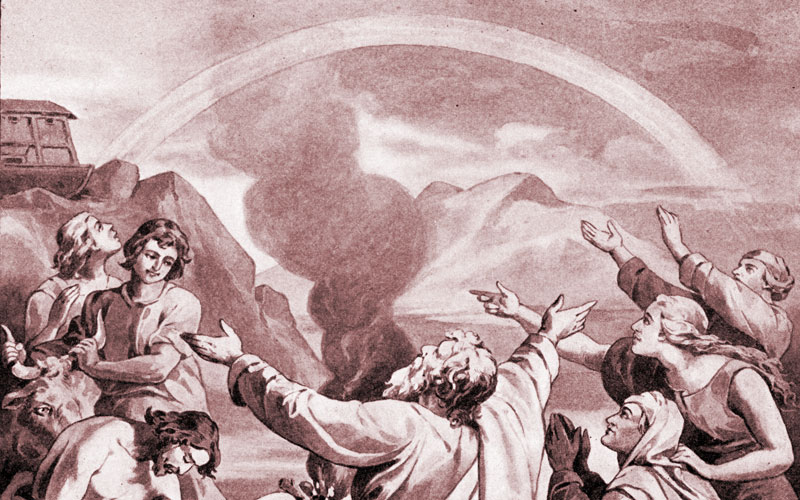
Children grow up learning about Noah and the ark. As adults, we study the record of the flood and strive to learn the lessons it teaches – why it happened, how Noah was saved, Noah’s example of obedience, as so on. But there are also important lessons for us that came immediately after the flood. We will notice a few in this article.Continue Reading

Finding Purpose Amidst the Vanity of Life

Man in Field

As we deal with the regular trials and pressures of this life, it is not uncommon to have periods in which we are down and might struggle to see the value in our normal pursuits. The wise man articulated these feelings in the book of Ecclesiastes. He opened with these words: “Vanity of vanities! All is vanity” (Ecclesiastes 1:2). He then went on to mention several regular pursuits of this life that he considered vain:
Continue Reading

The Poor Widow’s Oil

A poor widow came to Elisha after her husband died. She was in desperate need of any help the prophet could give her. She cried out to him, “Your servant my husband is dead, and you know that your servant feared the Lord; and the creditor has come to take my two children to be his slaves” (2 Kings 4:1).

Before we look at some lessons from the help that Elisha gave this widow, it is important to first notice a couple of facts about her deceased husband. The text states that he was one of the “sons of the prophets,” a servant to Elisha. Furthermore, his widow testified that he “feared the Lord” (2 Kings 4:1). This was not a worthless or wicked individual. He was a faithful servant of God and His prophet.

As we read the account of Elisha helping this poor widow, we see that God made provision for her – she was miraculously given enough oil to fill every container she was able to borrow from her neighbors. She was then able to sell the oil, solving her great financial dilemma (2 Kings 4:2-7).

Now, let us notice a few lessons from this story.
Continue Reading