Joshua Circumcised the People

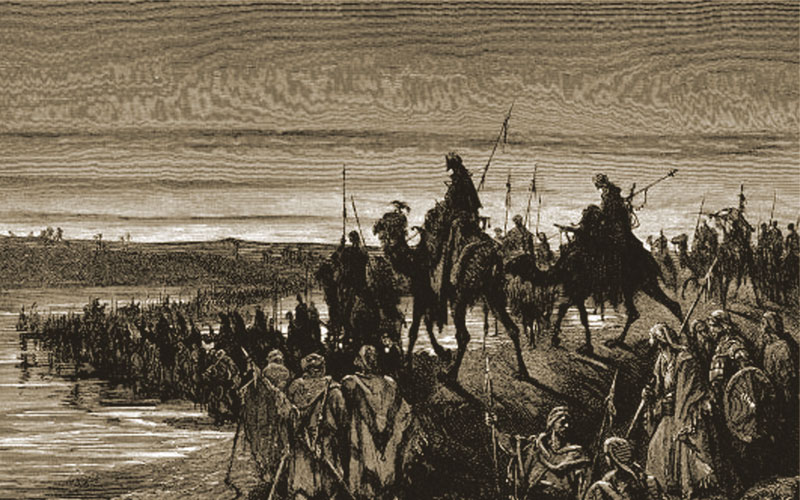
Crossing the Jordan River

At that time the Lord said to Joshua, ‘Make for yourself flint knives and circumcise again the sons of Israel the second time.’ So Joshua made himself flint knives and circumcised the sons of Israel at Gibeath-haaraloth.

This is the reason why Joshua circumcised them: all the people who came out of Egypt who were males, all the men of war, died in the wilderness along the way after they came out of Egypt. For all the people who came out were circumcised, but all the people who were born in the wilderness along the way as they came out of Egypt had not been circumcised. For the sons of Israel walked forty years in the wilderness, until all the nation, that is, the men of war who came out of Egypt, perished because they did not listen to the voice of the Lord, to whom the Lord had sworn that He would not let them see the land which the Lord had sworn to their fathers to give us, a land flowing with milk and honey. Their children whom He raised up in their place, Joshua circumcised; for they were uncircumcised, because they had not circumcised them along the way.

Now when they had finished circumcising all the nation, they remained in their places in the camp until they were healed. Then the Lord said to Joshua, ‘Today I have rolled away the reproach of Egypt from you.’ So the name of that place is called Gilgal to this day” (Joshua 5:2-9).

After crossing the Jordan river into the land of Canaan (Joshua 3), but before conquering the first city (Joshua 6), the Lord commanded Joshua to circumcise the sons of Israel. It is important that we understand the reasons why this was done because their physical circumcision is parallel to our spiritual circumcision. Let us consider some lessons that we can learn from this account.
Continue Reading
After the Flood

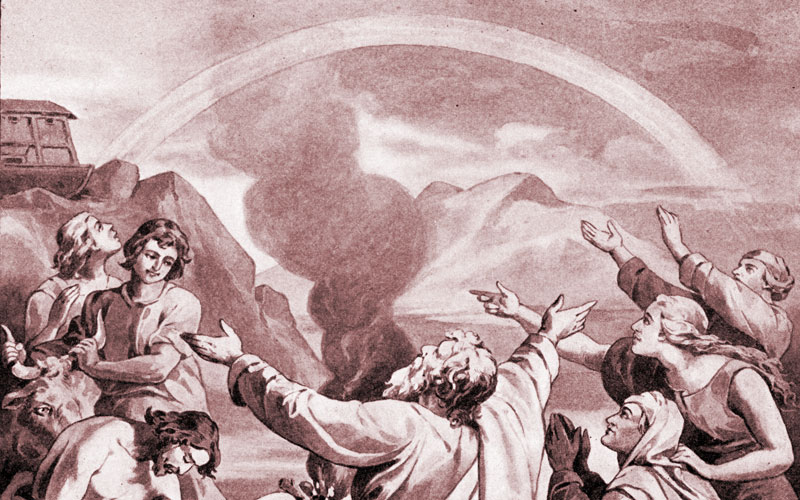
Noah and the Rainbow

Children grow up learning about Noah and the ark. As adults, we study the record of the flood and strive to learn the lessons it teaches – why it happened, how Noah was saved, Noah’s example of obedience, as so on. But there are also important lessons for us that came immediately after the flood. We will notice a few in this article.Continue Reading

Do Not Go Back to the Old Law

Many professed Christians try to go back to the old law to determine what God requires of them today or to justify practices for which they can find no authority in the New Testament. Despite the fact that the Old Testament contains prophecy telling of a “new covenant” (Jeremiah 31:31-34) and the New Testament tells us the old law was “nailed…to the cross” (Colossians 2:14), many will blur the lines between the two laws; but this is dangerous. Let us notice a few reasons why.
Continue Reading

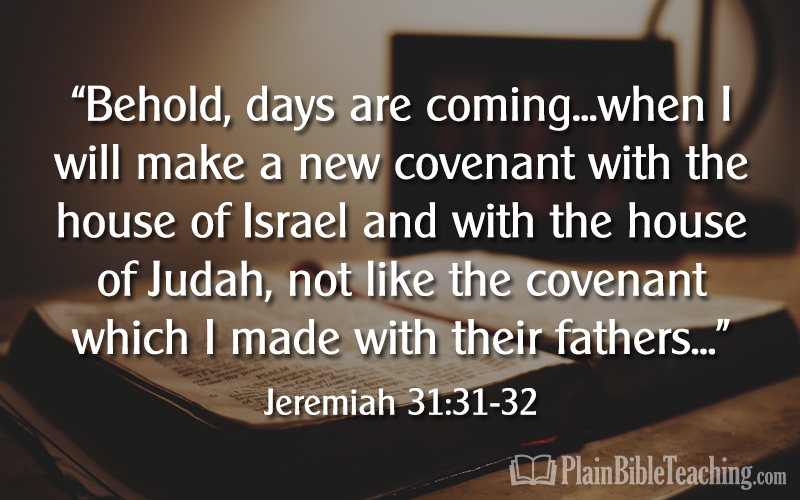
A New Covenant

Jeremiah 31:31-32

Some have a misunderstanding about the nature of God’s covenant with us today. Has there been one everlasting covenant throughout the history of mankind? Or is the covenant currently in force today different from the one we read about in the Old Testament? If we consider one of the prophecies from Jeremiah, we will get a clearer picture of the nature of the new covenant which is currently in effect.
Continue Reading

The Three Things Jesus Accomplished in His Death

Cross

Toward the end of a lengthy discussion of Jesus’ work as our high priest, the Hebrew writer provided a summary in his explanation of Psalm 40:6-8. In this explanation, he spoke of the three things Jesus came to the earth to accomplish.
Continue Reading

All Will Know Me

The Hebrew writer quoted from Jeremiah 31:31-34 to show the promise of the new covenant (Hebrews 8:8-12). Long before it came into effect, God planned for the new covenant to replace the old one that God had made with the Jews after leading them out of Egyptian bondage. There are a few characteristics of the new covenant listed in this text. I would like for us to consider one in this article.
Continue Reading

Sabbath Keeping

Ten Commandments

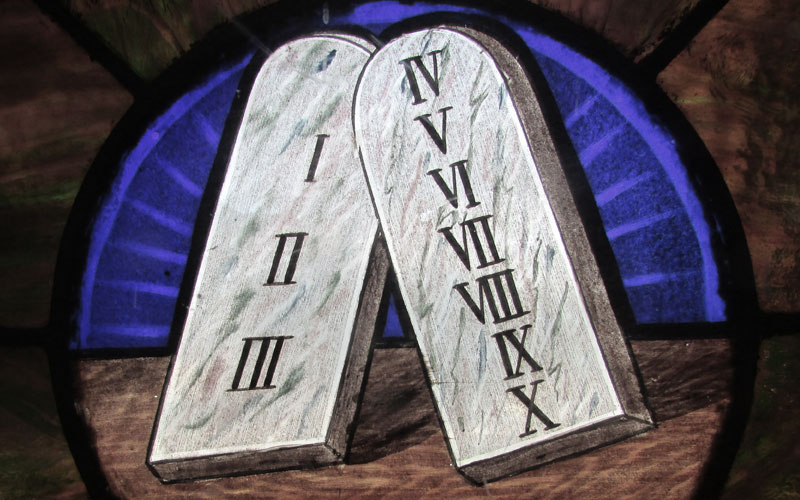
Remember the sabbath day, to keep it holy” (Exodus 20:8). This command was given to the children of Israel as part of the Ten Commandments – the foundation of the Law of Moses. In remembering the Sabbath, the Israelites were to rest (Exodus 20:10). Whatever work they had to do was to be done during the other six days of the week (Exodus 20:9). The basis for this command went back to creation: “For in six days the Lord made the heavens and the earth…and rested on the seventh day; therefore the Lord blessed the sabbath day and made it holy” (Exodus 20:11). The Jewish people under the Mosaic Law were to “remember the sabbath day,” but is this a day that Christians are to observe? Are we required to keep the Sabbath? Some believe that we are. What do the Scriptures say?
Continue Reading