The Christian and Civil Government

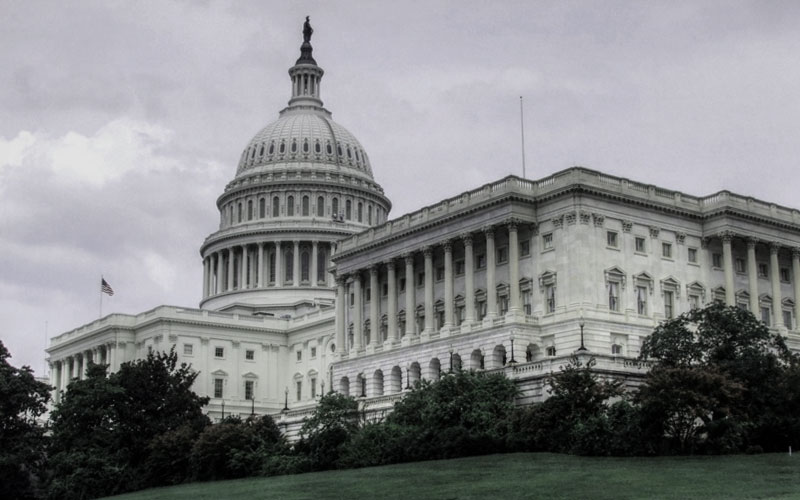
Capitol Building

Christians are “aliens and strangers” in this world (1 Peter 2:11). While we live here in the nations of men, “our citizenship is in heaven” (Philippians 3:20). However, even though we are a separate people (1 Peter 2:9), we cannot help but live among those in the world (1 Corinthians 5:9-10). So wherever we are, we must live under some form of human government. How then is the Christian to respond to and use the civil government?
Continue Reading

A Better Country

Following an election like we have had in this country, it is expected that some will be pleased with the outcome and some will not. As Christians, whatever side on which we fall, in this and every election, it is important to keep things in perspective.

Those of us who live in the United States of America have the blessing of being able to live in what is arguably the greatest country on earth. We have the freedom to worship God and teach the gospel. We have the opportunity to work and provide for our families. We live without fear of persecution or harassment from the government. Many around the world cannot ever expect to experience these blessings in their lifetime.

However, as great as this country is, we seek a better country. This better country is not contained in campaign promises and political rhetoric. It is not obtained through congressional legislation or presidential policy. It is not preserved and maintained by law enforcement and military might. The better country we desire is one we will never see here on earth.

Continue Reading

The Divinely Given Role of Civil Government

Capitol Building

With this being a Presidential election year, there is much debate in this country about what the government ought to do. Discussions about what the next President should do regarding education, energy, the economy, and other issues are common. Christians in this country have some voice in selecting the leaders of this nation. Since we have the opportunity to participate in the process of electing leaders, our first step in making a decision must be to look to the Bible to see what role God has given civil government.
Continue Reading

Some Thoughts on Persecution

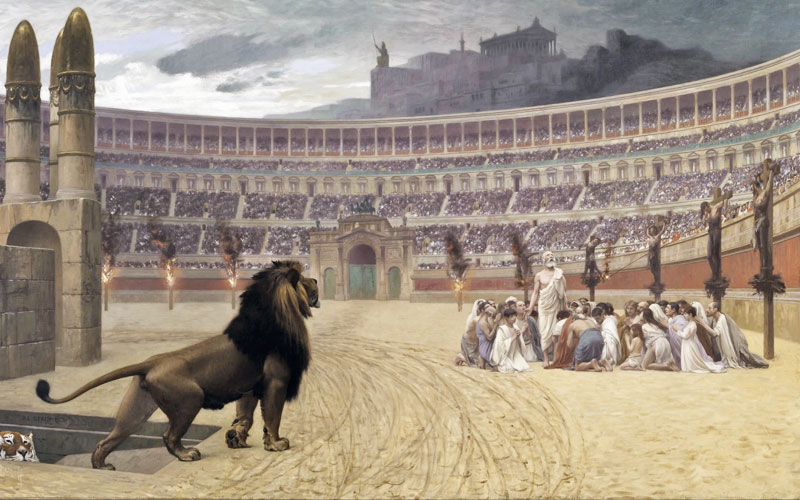
Persecution

The Bible plainly affirms that all Christians will face persecution. “Indeed, all who desire to live godly in Christ Jesus will be persecuted” (2 Timothy 3:12). Of course, we may not all face the same degree of persecution. Some will be persecuted severely while others, in comparison, will face only minor persecution. Jesus indicated to Peter that he would have to die for His faith even though John might not (John 21:18-22). Today, there is relatively little physical persecution against Christians in this country, but there are brethren around the world in much more difficult situations. This should not surprise us. We will all be persecuted, but not with equal severity.

Even though a degree of persecution is inevitable, we are to pray that some persecution may be avoided. Paul told Timothy that Christians are to pray for those in civil governments “so that we may lead a tranquil and quiet life in all godliness and dignity. This is good and acceptable in the sight of God our Savior” (1 Timothy 2:2-3). One of the roles God has given to civil governments is implied in this chapter. Civil authorities are to create and preserve an environment in which Christians can freely practice their religion. This means that the civil authorities are to refrain from persecuting Christians and are to protect their citizens (including Christians) from persecution by others. It is good in God’s sight to pray for our government and those around the world that this type of environment may be maintained.

Why should we pray for civil authorities to do their job in preventing persecution? It is not simply for selfish reasons (because we do not want to face persecution). Rather, it is because persecution hinders the teaching of the gospel. Paul went on to explain why it is good in the sight of God for governments to provide and maintain a peaceful environment. It is because God “desires all men to be saved and to come to the knowledge of the truth” (1 Timothy 2:4). When Christians are unable to “lead a tranquil and quiet life in all godliness and dignity” (1 Timothy 2:2), it is harder for them to do the work they need to do in spreading the gospel.
Continue Reading

Render to God the Things that are God’s

Roman Coin

Matthew recorded an encounter between Jesus and the Pharisees in which they came to test Jesus (Matthew 22:15-22). They were trying to “trap Him in what He said” (Matthew 22:15). So they sent some of their disciples with some of the Herodians to question Him. They prefaced their question with flattery. “Teacher, we know that You are truthful and teach the way of God in truth, and defer to no one; for You are not partial to any” (Matthew 22:16). Though they had evil motives (Matthew 22:18), their statement about Christ was true. He taught the truth regardless of how some might react to it. We should emulate our Lord’s attitude.

Their question designed to trap Jesus was this: “Is it lawful to give a poll-tax to Caesar, or not?” (Matthew 22:17). They probably figured any truthful answer might be able to be used to accuse Jesus. They knew Jesus would give a truthful answer and not sidestep the issue like others might. But Jesus knew their evil hearts (Matthew 22:18) and gave them a truthful answer they could not use against Him. He asked for a coin that would be used for the tax. Upon receiving the coin, He asked, “Whose likeness [image, KJV] and inscription is this?” (Matthew 22:20). They answered, “Caesar’s” (Matthew 22:21).
Continue Reading