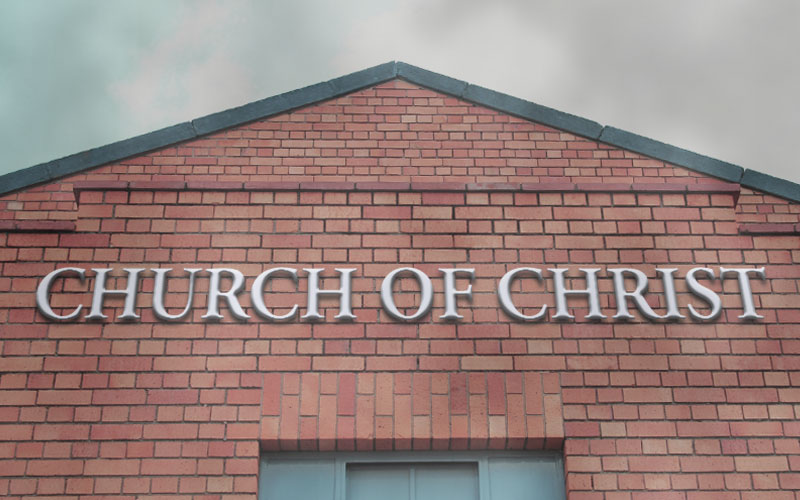
“Greet one another with a holy kiss. All the churches of Christ greet you” (Romans 16:16).
When talking about spiritual matters with other religious people, we often find many things that we will agree about – God is the creator, Jesus died for our sins and was raised from the dead, there is hope that the faithful will have eternal life in heaven, etc.
However, there are also some significant differences between churches of Christ and other churches. Some who belong to other churches are curious about this, and we want to be ready to give an explanation for what we believe (cf. 1 Peter 3:15).
Before we begin, I want to be clear that there is no “official” position for churches of Christ. We do not have a written creed, nor do we have a denominational headquarters deciding on doctrine. I cannot speak for any other congregation that calls itself a church of Christ. However, there are some teachings and practices that are generally common among churches of Christ but differ from those of most other churches. In this article, we will look at some of these unique characteristics and briefly examine the New Testament to see why we believe and practice them.Continue Reading
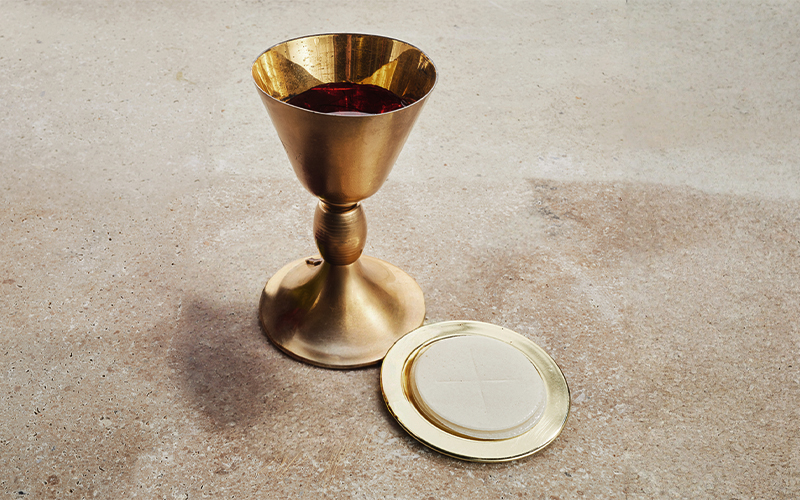 When Jesus gathered with His disciples shortly before His death, He instituted the Lord’s Supper. This would be a memorial to remember His death, and would be observed by His people in the church until His return at the end of time. Because of this, we continue to observe the Lord’s Supper “on the first day of the week” (Acts 20:7), and by doing so, we “proclaim the Lord’s death until He comes” (1 Corinthians 11:26).