Many, having been influenced by Calvinism, believe that Jesus died in our place as a substitute for us.* This notion is not supported by Scripture. Some who hold to this substitutionary theory of atonement believe Jesus was only separated from the Father while on the cross. Others believe this separation extended past the cross, which would mean that Jesus went to torments, not paradise, when He died. What do the Scriptures say? Where did Jesus go when He died?
Continue Reading
April 1, 2007
Where Did Jesus Go When He Died?
April 1, 2007
Testing the Spirits

“Beloved, do not believe every spirit, but test the spirits to see whether they are from God, because many false prophets have gone out into the world” (1 John 4:1).
This warning from the apostle John is for us not to believe everyone who claims to be bringing a message from God. There are “many false prophets” – many who teach things that are wrong and lead to damnation. So we are to “test the spirits” and identify false teachers among us. It is important that we know how to identify such individuals.
Continue Reading
March 25, 2007
The True Word of God
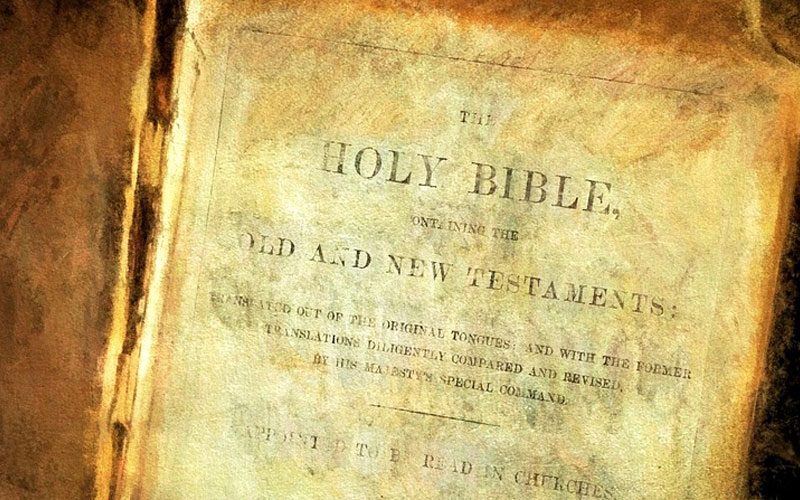
The Bible makes the claim: “All Scripture is inspired by God” (2 Timothy 3:16). Since God is perfect, it would stand to reason that His word is perfect.
This is exactly what we find with the Bible. Despite the fact that it was written by about 40 different authors in three different languages over a period of 1,500 years, there is perfect harmony throughout – proof that the Bible is a product of divine origin, not from the mind of man.
Continue Reading
March 15, 2007
Of First Importance
“For I delivered to you as of first importance what I also received, that Christ died for our sins according to the Scriptures, and that He was buried, and that He was raised on the third day according to the Scriptures” (1 Corinthians 15:3-4).
Paul told the Corinthians that he had and was presently preaching the gospel to them (1 Corinthians 15:1). The reason why it was important is because the gospel brings salvation (1 Corinthians 15:2). It is “the power of God for salvation” (Romans 1:16). In the preaching of the gospel, that which is “of first importance” is the death, burial, and resurrection of Christ.
Continue Reading
March 5, 2007
The Lost Tomb of Jesus?
A documentary that aired recently on the Discovery Channel entitled “The Lost Tomb of Jesus” has caused quite a stir among many. In the film, it is claimed that the tomb of Jesus Christ has been discovered. While those who believe the Bible understand that Jesus ascended to heaven as His apostles looked on (Acts 1:9-11), it is good for us to learn how to answer the skeptic. Ethan Longhenry has written a good rebuttal to the claims made in the documentary which is posted on the Renewed in Spirit website. I encourage you to read his article.
March 1, 2007
Local Church Autonomy
The Bible teaches that each local church is to be autonomous. That is, they are not answerable to another local church or council of churches. Elders are to shepherd the flock which is among them (Acts 20:28; 1 Peter 5:1-2). No man or group of men has been given authority in the New Testament to rule or govern any other congregation(s).
Sometimes though, the Bible teaching of local church autonomy is misapplied or abused by brethren. Many believe that autonomy means we cannot be critical of what another congregation practices or teaches. When a concerned brother does speak out against error or apostasy in another local church, “autonomy” is the club used to attack this man. After all, to speak out against the error or apostasy in another congregation is to violate that church’s autonomy. Really?
Continue Reading










