
In the religious world, we have what seems to be a countless number of churches. All have their particular name, creed, organization, and practices. But when we turn to the pages of the New Testament, we read of the one true church. Jesus promised to build one church (Matthew 16:18). Jesus purchased one church (Acts 20:28). Jesus is the head of one church (Ephesians 1:22-23). The one true church is the universal body of the saved.
Whenever we read of churches (plural) in the New Testament, it refers to local churches. “All the churches of Christ greet you” (Romans 16:16). Paul wrote “to the churches of Galatia” (Galatians 1:2). The book of Revelation was addressed to the “seven churches” in Asia (Revelation 1:11). Notice these are all local churches, not confederations of local churches, or denominations (i.e. the Baptist church, Methodist church, Episcopal church, etc.).
Yet this teaching that there is but one true church is not popular. Most professed Christians believe that one church is as good as another. People are told to join the church of their choice. After all, they all believe in Christ, so they are all basically the same. This is the mentality of many. They do not want to condemn or be critical of any other church. They do not think we should do so either. So they tell us to preach Christ, not the church.
Continue Reading
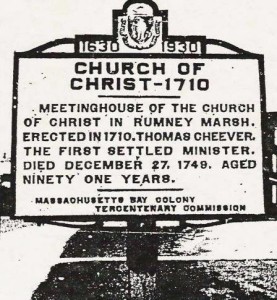 Alexander Campbell did not start the church of Christ. The church of Christ began in 30 AD on the Day of Pentecost (Acts 2:38, 47). Campbell was born in 1788, long after the first century. Jesus Christ founded the church that bears his name. In Matthew 16:18, Jesus said, “I will build my church.” God gave him to be head over all things to the church which is his body (Ephesians 1:22-23). Further, the Hebrew writer tells us that Jesus is the minister of the true tabernacle which the Lord erected and not man (Hebrews 8:2). Since Jesus Christ erected his own church, Campbell could not have possibly started the church of Christ. The apostle Paul wrote in 58 AD, “The churches of Christ salute you” (Romans 16:16).









