Reporting Back to Antioch

Paul's First Missionary Journey

Following the preaching trip that took them through such places as Iconium, Lystra, and Derbe, Paul and Barnabas returned to Antioch. Luke wrote, “When they had arrived and gathered the church together, they began to report all things that God had done with them and how He had opened a door of faith to the Gentiles” (Acts 14:27).

It is important to notice what happened here, particularly today as churches may support preachers who work in other locations. The church in Antioch “sent” Paul and Barnabas on this trip to preach the gospel in various places (Acts 13:3). That sending does not imply a command for them to go – that was given by the Holy Spirit (Acts 13:2, 4). Instead, the implication is that the church supported (financially) these men in their work.

When Paul and Barnabas returned to Antioch, they did not just meet with the elders of the church or with a few other individuals. The account of their work did not take place during a common meal or other casual setting. Rather, they “gathered the church together.” This shows us that it is perfectly acceptable for a congregation to invite a preacher to come and give a report on the work that they helped to support. More than this, we can be reminded of the benefits of such reports.
Continue Reading

Placing Membership with a Local Church

Saul at Jerusalem

The New Testament stresses the importance of Christians being part of a local congregation. But how does one join or place membership with a local church? At what point does one become a part of a congregation of God’s people? If we look at Saul’s effort to join the church in Jerusalem, we will see that there are two steps necessary for one to place membership with a local church.
Continue Reading

What Happened After Saul’s Conversion?

Saul escaping Damascus in a basket

We often talk about the conversion of Saul – later known as the apostle Paul – because of the important lessons to be found in it about how one becomes a Christian. But what about what happened after Saul’s conversion? There are important lessons here as well. Let us look at what Saul did following his conversion.
Continue Reading

Church Services vs. The Super Bowl

Watching Football

The biggest sporting event of the year – the Super Bowl – will kickoff this Sunday evening. The televised game garners much attention, even from those who are not sports fans. Super Bowl parties, large and small, will be held in every part of the country.

Many congregations typically have regular assemblies scheduled during this time. As Christians, what are we to do? We have several options, though not all are equal in merit. Let us examine these in light of the Scriptures.
Continue Reading

Why Do We Assemble?

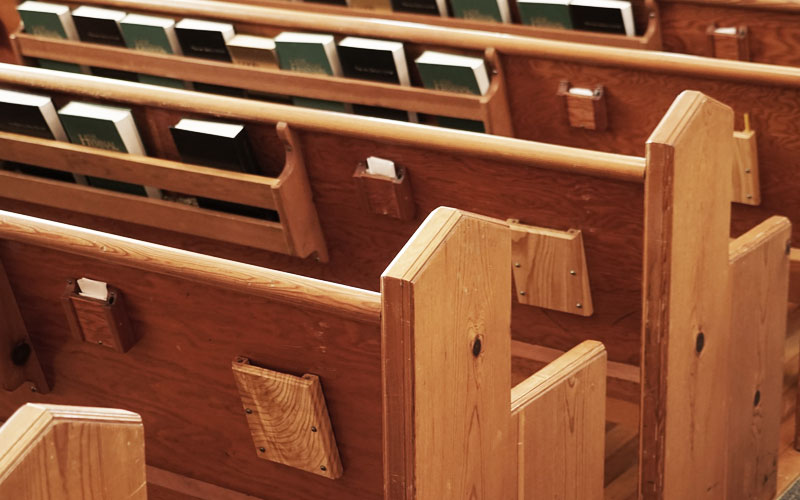
Pews

The New Testament gives three reasons why it is important for Christians to assemble:

  1. We assemble to worship God (John 4:24).
  2. We assemble to encourage our brethren (Hebrews 10:25).
  3. We assemble to gain encouragement from our brethren (Hebrews 10:25).

Continue Reading

“Let the Women Keep Silent in the Churches”

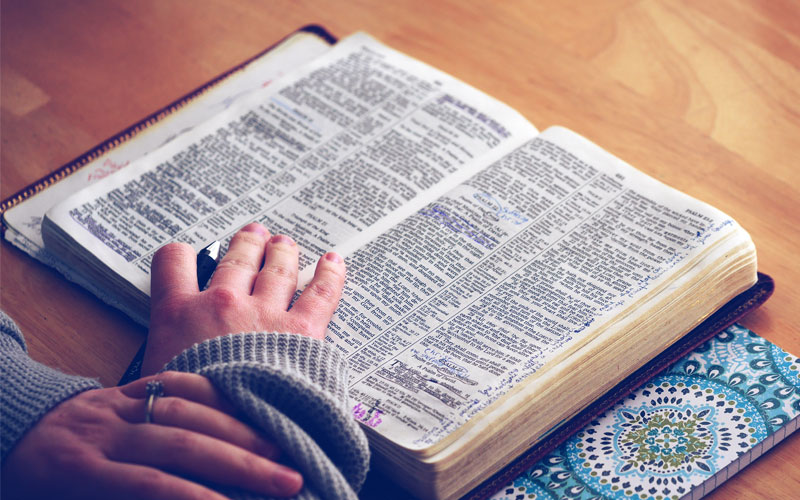
Bible Reading

[This article was written by Tim Haile.]

For centuries, questions and controversies have existed among religious people over the role of women in the work and worship of the local church. Two extreme positions have arisen:

  1. Some have concluded that the Bible authorizes women to preach and hold positions of authority within the local church. I am regularly asked what I believe about “women preachers.” History reveals that the women-preacher movement is closely connected to the overall and more secular women’s liberation movement.
  2. To the opposite extreme, some have concluded that the Bible doesn’t authorize women to speak at all in church assemblies, even going so far as to prohibit women from participating in singing.

These extreme positions result from people either completely rejecting the plain commands of Scripture, or from a failure to consider their context.
Continue Reading

Offering an Invitation in the Assembly

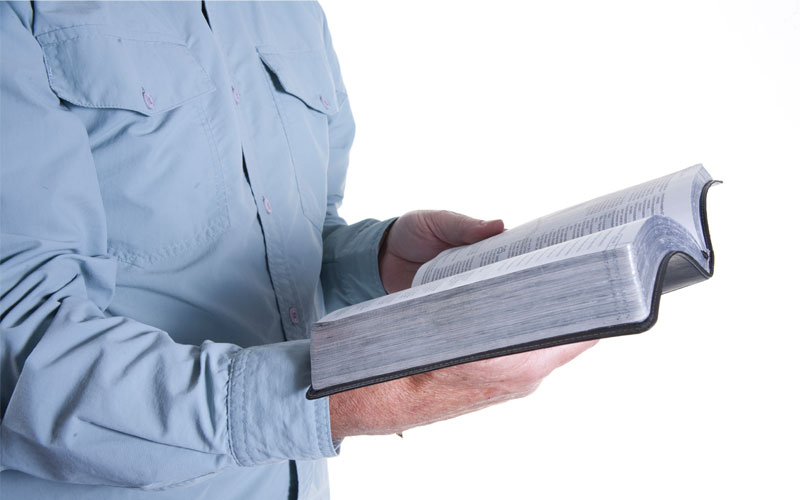
Open Bible

Typically, at the end of a sermon, the gospel preacher will offer an invitation. I do it and I know many others who do as well. But why? Is there a reason for doing it, or is it just a long-held tradition that we mindlessly practice?

Before we consider this question, we should be sure we understand what we mean by an invitation (as it is commonly called). The invitation is two-fold. First, it is to invite non-Christians to come to Christ. Second, it is to admonish erring Christians to repent.
Continue Reading