Was James a Heretic?

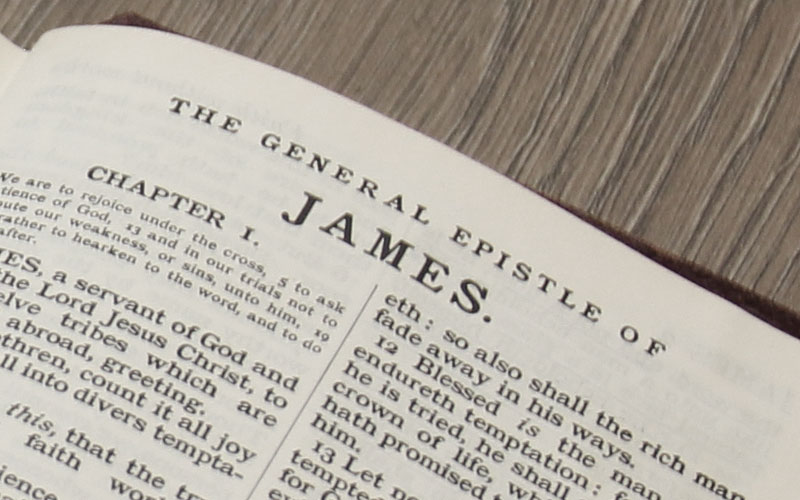
James

There are several statements in James’ epistle that are contrary to popularly held religious beliefs. Let us briefly consider these passages in light of what many churches teach today.
Continue Reading

Conversion

U-Turn

In the second recorded gospel sermon following the healing of the lame man, Peter told the crowd that had gathered, “Repent…and be converted, that your sins may be blotted out” (Acts 3:19, KJV).

What is conversion? The dictionary would define this as a change in form, character, or function. In the New Testament, it refers to a change to follow Christ. In this article, we will notice three things that happen in our conversion – not only to see how conversion happens, but also to learn how to keep from reverting back to the world.
Continue Reading

Teaching Questions

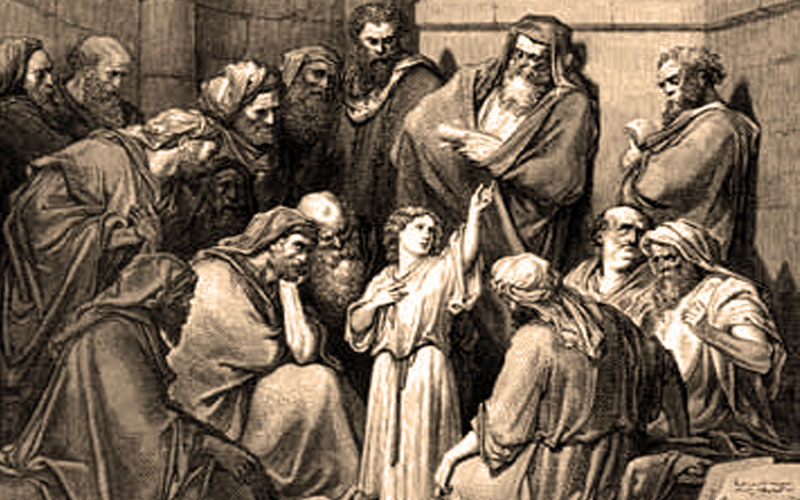
Jesus as a Boy in the Temple

In our last article, we looked at some good questions asked of a teacher that related to spiritual things. However, not all questions are asked by those needing information. Sometimes questions are asked by a teacher as a way to challenge his audience. Notice the example of Jesus when He was a young boy:

Then, after three days they found Him in the temple, sitting in the midst of the teachers, both listening to them and asking questions. And all who heard Him were amazed at His understanding and His answers” (Luke 2:46-47).

Jesus was God in the flesh (John 1:1, 14). He was not asking questions because He lacked understanding and was seeking instruction. He asked questions as a way to teach. The understanding and answers He imparted while His flesh and blood body was just twelve years old amazed those who heard Him.

This was not the only time Jesus employed this method of teaching. In this article, we will notice just a few examples in the Scriptures of questions that were asked by teachers as a way to lead their hearers to the truth.
Continue Reading

The Possibility of Apostasy

The notion that a Christian cannot fall from grace is held by many people in the religious world. But this “once saved, always saved” doctrine is simply not true. The Bible is filled with warnings about falling away and examples of God’s people who have.

Tim Haile has put together a thorough study on this topic, examining several passages to demonstrate that a Christian can indeed fall away and be lost and that we must therefore be diligent to remain faithful to God. Below is an excerpt of his study:
Continue Reading

Restoring the Fallen

Drowning

James concluded his epistle by emphasizing the importance of turning a fallen brother away from sin and back to Christ.

My brethren, if any among you strays from the truth and one turns him back, let him know that he who turns a sinner from the error of his way will save his soul from death and will cover a multitude of sins” (James 5:19-20).

There are a few reminders for us in these verses.
Continue Reading

Why People Quit Church

It is a sad thing to see Christians fall away and forsake the assembly of the saints. We often wonder why someone would leave. An article posted today on the Christian Courier website looks at some of the reasons.

Click here to read the article: Why People Quit Church

Impossible to Renew the Fallen

Walking Away

For in the case of those who have once been enlightened and have tasted of the heavenly gift and have been made partakers of the Holy Spirit, and have tasted the good word of God and the powers of the age to come, and then have fallen away, it is impossible to renew them again to repentance, since they again crucify to themselves the Son of God and put Him to open shame” (Hebrews 6:4-6).

These verses talk about something that is impossible – restoring a Christian who has fallen away. But what does this mean? Does it mean that if a Christian falls away, they are without hope because they are simply unable to come back to God?
Continue Reading