Being a Good Minister (Season 9, Episode 4)

Subscribe: iTunes | Stitcher | RSS
Being a Good Minister (Season 9, Episode 4)

In this season, we’re going to be discussing some lessons from Paul’s letters to Timothy and Titus.

There are many different ideas people have about how to be a good minister. Some of these may provide some wisdom, but they cannot replace the Bible. If we want to know how to do the best job we can in carrying out the work of a preacher, we need to remember the instructions that Paul gave to Timothy – particularly what he said about putting the brethren in remembrance.

Sermon outline: Point Out These Things to the Brethren

Mentioned in this episode:

If you found this episode to be useful, please share it with others. Also, if you enjoyed the podcast, please leave a rating on iTunes or Stitcher. This also helps others hear about the podcast. Thanks.
The Goal of Our Instruction (Season 9, Episode 1)

Subscribe: iTunes | Stitcher | RSS

The Goal of Our Instruction (Season 9, Episode 1)

In this season, we’re going to be discussing some lessons from Paul’s letters to Timothy and Titus.

Why do we preach and teach the gospel? It is about more than just fulfilling a command or following the New Testament pattern. We are to preach and teach with a purpose. Paul told Timothy about “the goal of our instruction” (1 Timothy 1:5). In this episode, we discuss what this goal is, as well as the right and wrong ways to accomplish this goal.

Article: The Goal of Our Instruction

Mentioned in this episode:

If you found this episode to be useful, please share it with others. Also, if you enjoyed the podcast, please leave a rating on iTunes or Stitcher. This also helps others hear about the podcast. Thanks.

Benjamin Franklin: “Trust in the Lord, and Work On”

Benjamin Franklin: "Trust in the Lord, and work on."

Benjamin Franklin (1812-1878) dedicated his life to preaching the gospel. He was also a prolific writer, serving as editor of American Christian Review – one of the more influential journals among those associated with the Restoration Movement. Through his writings, he sought to encourage other preachers. The following quote describes the need for perseverance in one who would preach the gospel.Continue Reading

The Gospel in the Same Words as Peter Preached It

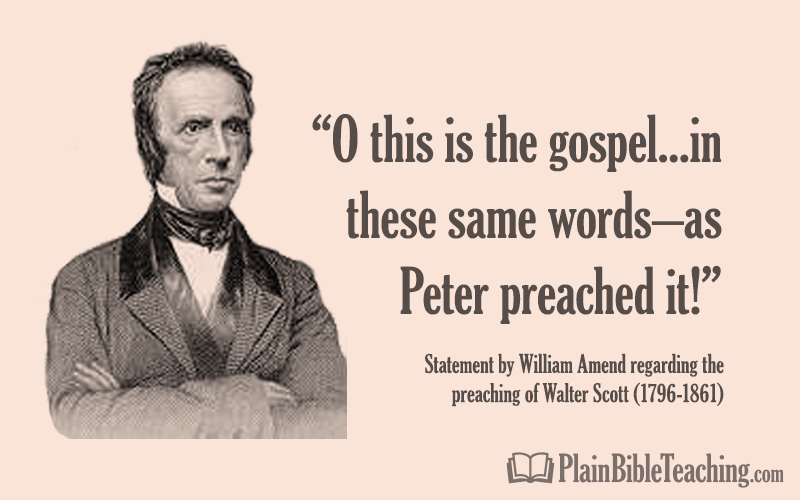
Walter Scott – The gospel as Peter preached it

Walter Scott (1796-1861) was one of the early preachers of the gospel in Northeast Ohio and did much to advance the cause of the ancient gospel in that area. In the book, Buckeye Disciples, author Henry K. Shaw noted that without the contributions of Walter Scott in proclaiming the gospel, “it is doubtful if the movement would have gained such momentum in a few years” (p. 45).

However, this “momentum” was not wholly due to the ability or zeal of men like Scott. Many people at that time were waking up to the idea that the gospel that was preached by the apostles was not the same message as the one being proclaimed by denominational preachers. Notice the following example of an individual named William Amend:Continue Reading

Who Were the 7,000?

Elijah

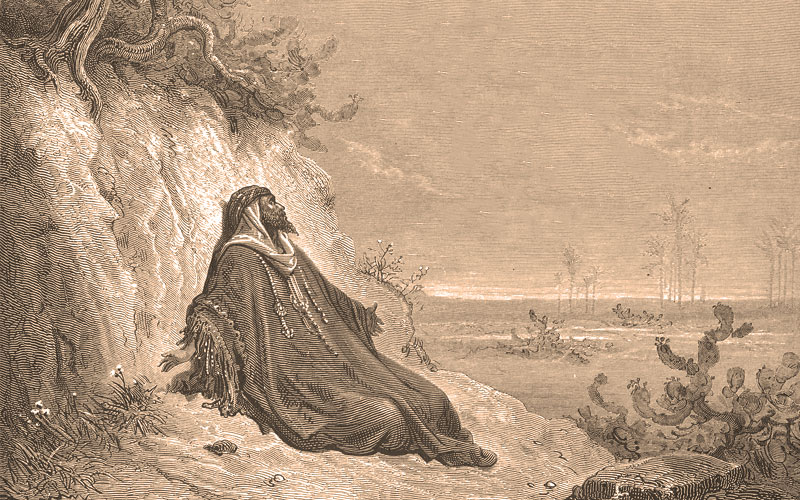
Following the showdown with the prophets of Baal, Elijah was forced to flee from Jezebel (1 Kings 19:1-3). He had just participated in a great victory for the cause of the Lord, but because of the opposition he was facing he prayed for the Lord to take his life (1 Kings 19:4). He explained to God why he felt the way that he did:

I have been very zealous for the Lord, the God of hosts; for the sons of Israel have forsaken Your covenant, torn down Your altars and killed Your prophets with the sword. And I alone am left; and they seek my life, to take it away” (1 Kings 19:10).

Elijah believed he was the only one left serving the Lord. Yet there were others. In fact, God told Elijah that there were “7,000 in Israel, all the knees that have not bowed to Baal and every mouth that has not kissed him” (1 Kings 19:18).

Who were these 7,000 individuals about whom the Lord spoke? More importantly, what lessons can we learn from them to apply to us today?
Continue Reading

David Lipscomb: “No Big Preachers”

David Lipscomb: No Big Preachers

As we look back at history, David Lipscomb (1831-1917) was one of the most influential men associated with the Restoration Movement. With his work as editor of the Gospel Advocate, it can be argued that he was the most influential preacher in the South during his life. Regardless of this, Lipscomb did not consider himself a “big preacher” and did not wish to become one.
Continue Reading

Why “Book, Chapter, and Verse” Preaching?

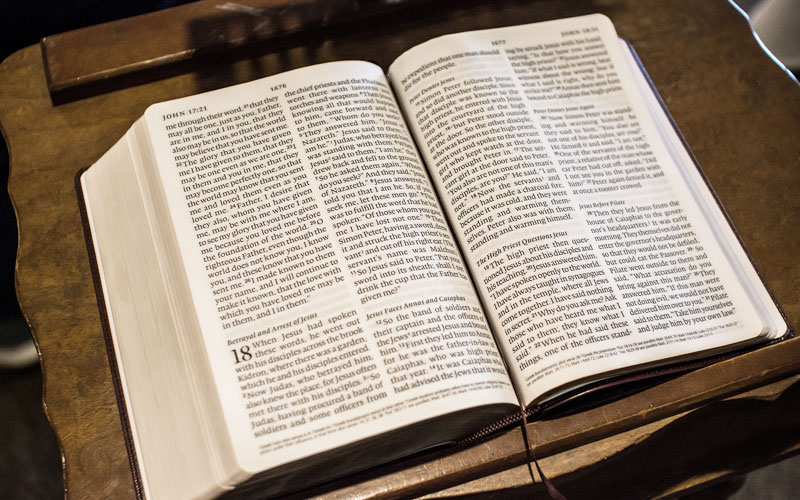
Bible on a lectern

After the wall around Jerusalem had been rebuilt, the people gathered to hear the law read to them. Ezra and the Levites “read from the book, from the law of God, translating to give the sense so that they understood the reading” (Nehemiah 8:8). What they did was very simple – they read the law and explained it so that the people understood what it meant.

This is the same thing we must do in our preaching today. We want people to understand what God’s word means, but how can we help them do that? We sometimes hear brethren use the phrase “book, chapter, and verse” preaching. This is the kind of preaching that is necessary to accomplish the goal of explaining the Scriptures so that people will understand them. In this article, we will consider why “book, chapter, and verse” preaching is the method we need to use in our preaching.
Continue Reading