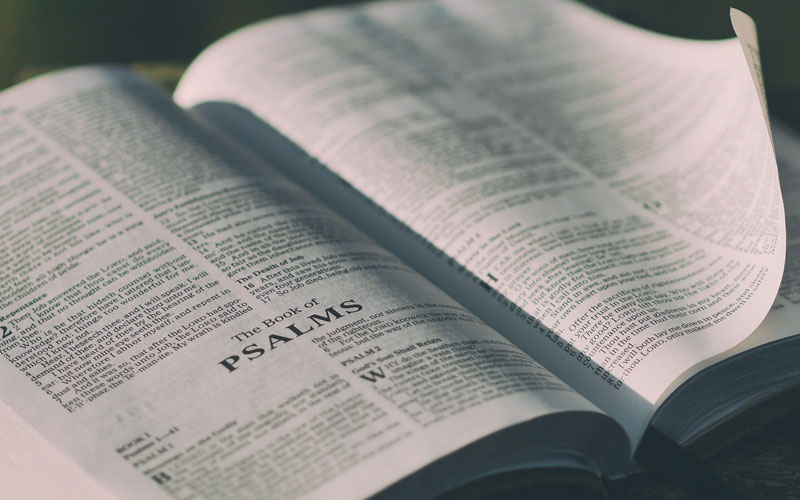
In the first psalm, we read of a sharp contrast between the righteous and the wicked. As we strive to be righteous and avoid wickedness, let us briefly consider the words of the psalmist.
Continue Reading

In the first psalm, we read of a sharp contrast between the righteous and the wicked. As we strive to be righteous and avoid wickedness, let us briefly consider the words of the psalmist.
Continue Reading
People often want to think of degrees of sin. They view some sins as particularly heinous (rape, murder, etc.), and others as being virtually innocent (“a little white lie”). Is it accurate to grade particular sins and judge them against one another in this way?

The fundamental question we have is this: Are some sins worse than others? Yes and no. It depends on what aspect of sin one has in mind. In this article, we will briefly examine this question.
Continue Reading
***UPDATED 09.21.09***
I have decided to take down the article that Jody had written. When I first received it I thought it would be a good idea to post it here because I believed it had some value for those who might read it. But after a week or so, I decided it would be wise to remove it for a couple of reasons.
First, I do not have the time to moderate comments on this post. This is naturally an emotionally charged issue that many people have strong opinions about. On top of that, the spiritual principles that relate to this situation are obviously important as well. I just don’t have time to thoughtfully and responsibly respond to each of the comments as they deserve.
Second, I was afraid that this might become a distraction to the gospel message, if it had not become such already. Paul told the brethren in Corinth that he refrained from doing something that was proper (receiving support from them) in order to “cause no hindrance to the gospel” (1 Corinthians 9:12). Even if it was appropriate to post Jody’s article, with everything going on, especially his recent “not guilty” plea, it was a distraction to the valid points he was making, and perhaps indirectly, the rest of the material contained on this site.
For those reasons, I decided to remove his article. I hope you can understand the reasons behind my decision.
I would encourage you to remember the important lessons from this though – don’t flirt with sin. It can destroy your life. It can cause immense damage to the lives of those around you. Even if the sin you are tempted with or are currently caught up in is not like what Jody has done, remember that all sins separate us from God. If you have sin in your life, get rid of it. The momentary pleasure it can provide is not worth the consequences and punishment that come with it.
Many brethren have heard the sad and disturbing news of the gospel preacher from Auburn, KY allegedly having consensual sex with a 13 year old girl over the weekend. He has since turned himself in to the authorities and is being held on rape charges. In addition to being a preacher of the gospel, he is also a husband and father. The thought that such a man would do this is both puzzling and disturbing.
I don’t know this man very well. I met him briefly a year or so ago when I attended a gospel meeting at the church in Auburn where he worked. I won’t speculate as to why he did this or what path he took to get to this point. But there are some very important lessons in this story that all Christians need to remember.
Continue Reading

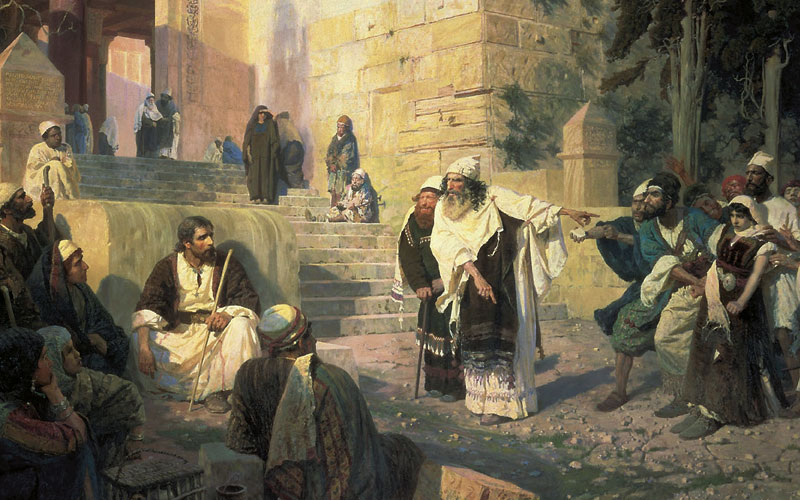
On one occasion when Jesus was in the temple, the scribes and Pharisees brought a woman before Him who had allegedly been caught in the act of adultery. It is an interesting account, and some have tried to use it to argue that we should not try to strictly follow God’s word. But as we examine the passage, we can see that Jesus teaches just the opposite – we must be careful and diligent to follow what God’s word teaches.
The scribes and Pharisees brought this woman before Jesus, claiming that she was “caught in adultery, in the very act” (John 8:4). Then they tested Jesus: “Now in the Law Moses commanded us to stone such women; what then do you say?” (John 8:5). They were trying to find some reason to accuse Him, presumably either to take Him before the Roman rulers or to turn the people against Him. In either case, Jesus initially ignored their question.
When they pressed Him, He responded, “He who is without sin among you, let him be the first to throw a stone at her” (John 8:7). Then, one by one, each of them left until there was no one left but Jesus and this woman. He asked her, “‘Woman, where are they? Did no one condemn you?’ She said, ‘No one, Lord,’ And Jesus said, ‘I do not condemn you, either. Go. From now on sin no more’” (John 8:10-11).
Continue Reading

James wrote, “Therefore, to one who knows the right thing to do and does not do it, to him it is sin” (James 4:17). It is obviously important that we know what God expects of us. But sometimes we know what is right yet, for whatever reason, we do not do it. James plainly said that this is sin. Whether it is due to weakness, forgetfulness, or willful rebellion, we are too often guilty of doing things we ought not to do.
What are we to do about this? Should we give up and surrender to the devil? No! We are to “resist the devil” (James 4:7). Should we be content in sin? Absolutely not! “How shall we who died to sin still live in it?” (Romans 6:2). We are to work to “lay aside every…sin which so easily entangles us” (Hebrews 12:1), no matter how large or small, common or rare.
With the devil and his servants trying to discourage us and make us fall, how do we keep the faith and continue to do what is right?
Continue Reading

The Scriptures are clear in depicting sin as something terrible. Sin separates us from God (Isaiah 59:2). The punishment for it is eternal, spiritual death (Romans 6:23). Sin is the reason why Jesus had to suffer a torturous death on the cross (1 Peter 2:24). But some may not have learned or may need to be reminded about what sin is. Let us notice three brief points.
Continue Reading

You have successfully joined our mailing list.
What does “propitiation” mean? How is “justification” connected to salvation? What does “sanctification” look like in our day-to-day lives? The Bible uses some powerful words to describe God’s plan to save mankind. However, these words are not always easy to understand, especially when they are not part of our everyday vocabulary. This book explores key Bible terms that unlock the message of the gospel.
Big Words in the Bible examines five important words – Propitiation, Reconciliation, Sanctification, Justification, and Resurrection – using plain language to see how the Scriptures describe these concepts and how the apostle Paul employs them in his letter to the Romans. This book also contains an appendix with eleven additional articles to explore these topics further.
Whether you are new to the Bible and want to grow in your understanding or want a simple way to explain these core gospel doctrines to others, this book will be helpful. With a focus on the Scriptures, Big Words in the Bible helps break down these fundamental topics to shed light on the life-changing message of the gospel and the salvation found in it.
Available in print and digital format.
This work is licensed under a Creative Commons Attribution-NonCommercial-ShareAlike 3.0 Unported License.
If you have further questions about using any of the material on this site, please contact me.
Copyright © 2026 · Balance Child Theme on Genesis Framework · WordPress · Log in