The Psalm of the Word (Part 4): Strength

The Psalm of the Word

My soul cleaves to the dust;
Revive me according to Your word.

I have told of my ways, and You have answered me;
Teach me Your statutes.

Make me understand the way of Your precepts,
So I will meditate on Your wonders.

My soul weeps because of grief;
Strengthen me according to Your word.

Remove the false way from me,
And graciously grant me Your law.

I have chosen the faithful way;
I have placed Your ordinances before me.

I cling to Your testimonies;
O Lord, do not put me to shame!

I shall run the way of Your commandments,
For You will enlarge my heart.

(Psalm 119:25-32)

All of us will face difficulties in life. Job said, “Man that is born of a woman is of few days and full of trouble” (Job 14:1, KJV). In this lesson, we will focus on how God’s word is our source of strength, particularly when we are dealing with difficult circumstances in life. During such times, we must turn to God’s word to find the strength that we need.
Continue Reading
Sharing the Gospel with Theophilus

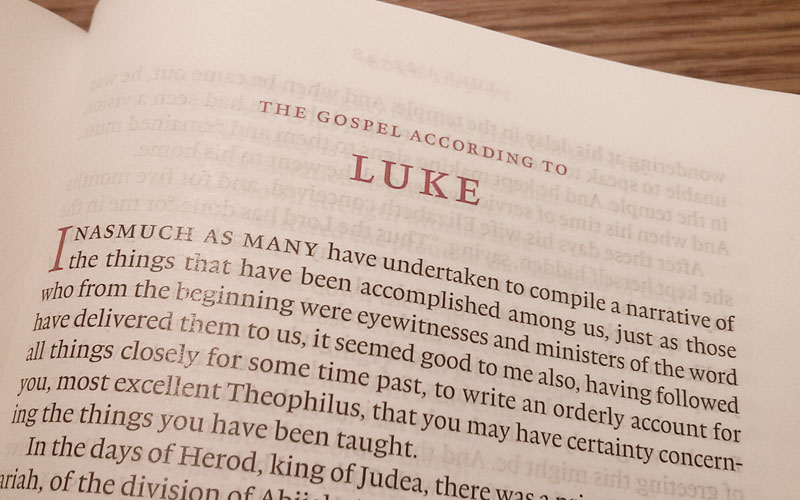
Luke

When Luke wrote his gospel account, he addressed it to an individual named Theophilus. If we look at the writer’s introduction to the book, we will see some important lessons that we can apply to our efforts to share the gospel with others today.

Inasmuch as many have undertaken to compile an account of the things accomplished among us, just as they were handed down to us by those who from the beginning were eyewitnesses and servants of the word, it seemed fitting for me as well, having investigated everything carefully from the beginning, to write it out for you in consecutive order, most excellent Theophilus; so that you may know the exact truth about the things you have been taught” (Luke 1:1-4).

Let us consider some points about Luke sharing the gospel with Theophilus.
Continue Reading

Joshua’s Challenge to the People

Joshua 24:15

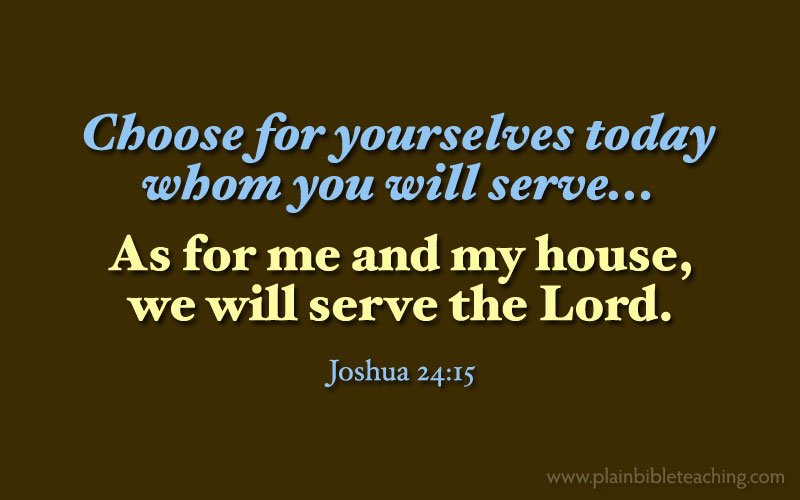
Most of us probably remember Joshua’s statement: “As for me and my house, we will serve the Lord” (Joshua 24:15). His mind was already settled. No matter what the rest of the people decided when he challenged them, “Choose for yourselves today whom you will serve,” he was determined to follow God.

But what did serving the Lord include? What was he challenging the people to do? Notice Joshua’s entire statement:
Continue Reading

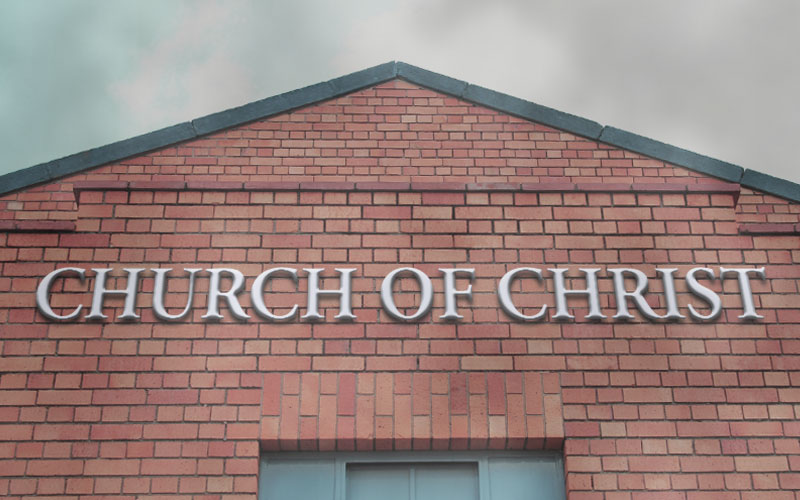
Why Were They Called “churches of Christ”?

Church of Christ

Greet one another with a holy kiss. All the churches of Christ greet you” (Romans 16:16).

Paul referred to the congregations with which he was associated as “churches of Christ.” Many brethren, in an effort to follow the New Testament pattern, have also used this to identify local churches. However, some brethren have quit using this designation, choosing instead to identify themselves as “The Church in ___” or merely placing a sign in front of their building that says, “Christians Meet Here.” Of course, many more in the denominational world use other names to identify their churches (Baptist, Methodist, Catholic, etc.).

Our desire must be to please Christ and serve Him faithfully. So let us consider this question: Why were those local churches in the first century called “churches of Christ” and what bearing does this have on us today?
Continue Reading

Qualities of Good Leaders

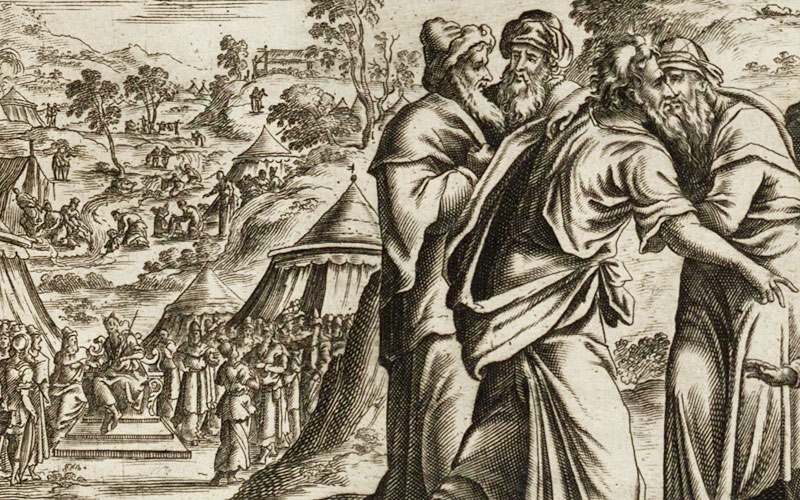
Moses and Jethro

When Jethro came to visit Moses, he observed how his son-in-law judged the people “from the morning until the evening” with no one to assist him in this enormous task (Exodus 18:13-14). He warned Moses that this arrangement was not good: “You will surely wear out, both yourself and these people who are with you, for the task is too heavy for you; you cannot do it alone” (Exodus 18:18). So Jethro advised Moses to appoint leaders over the people who could help act as judges. But he did not tell Moses to select just anyone – they had to possess certain qualities in order to be good leaders.

Furthermore, you shall select out of all the people able men who fear God, men of truth, those who hate dishonest gain; and you shall place these over them as leaders of thousands, of hundreds, of fifties and of tens” (Exodus 18:21).

Continue Reading

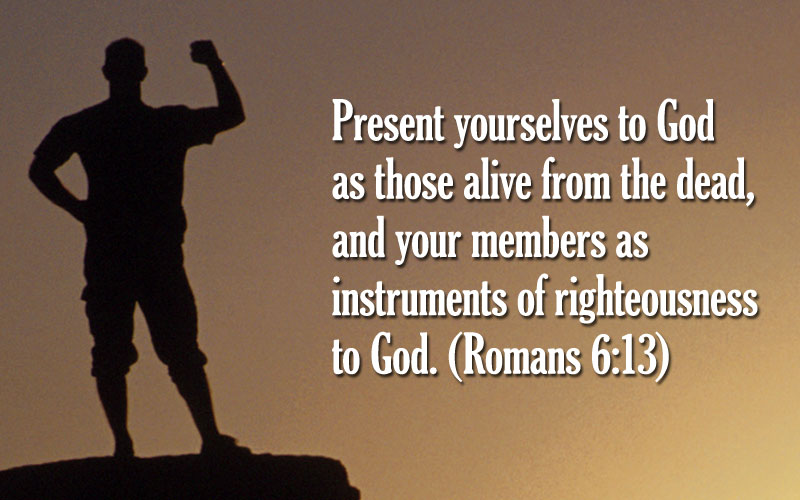
Using Our Bodies as Instruments of Righteousness

Romans 6:13

Therefore do not let sin reign in your mortal body so that you obey its lusts, and do not go on presenting the members of your body to sin as instruments of unrighteousness; but present yourselves to God as those alive from the dead, and your members as instruments of righteousness to God. For sin shall not be master over you, for you are not under law but under grace” (Romans 6:12-14).

Our bodies can be used one of two ways – either for God or for sin. As Christians, we are to present our bodies as living sacrifices to God (Romans 12:1). Our bodies are “for the Lord” (1 Corinthians 6:13); therefore, Paul said, “Glorify God in your body” (1 Corinthians 6:20).

How do we use the members of our bodies as instruments of righteousness? Let us consider what the Scriptures teach about this.
Continue Reading

Characteristics of Truth

Man Holding Bible

The sum of Your word is truth, and every one of Your righteous ordinances is everlasting” (Psalm 119:160).

David affirmed that the entirety of God’s word – the sum, not just some – is truth. This is what we should expect since the word is from God (1 Corinthians 1:10-13; 2 Timothy 3:16) and “it is impossible for God to lie” (Hebrews 6:18; cf. Titus 1:2).

While it is important that we understand that the word of God is truth (John 17:17), it is also important that we appreciate various characteristics of truth. Certainly there are those who do not accept the Bible as truth; but of those who do (or claim that they do), many simply do not understand the nature of this truth. It is not whatever we want it to be. Truth is from the mind of God whose ways are infinitely higher than our own (Isaiah 55:8-9; 1 Corinthians 1:25). So let us consider some of the characteristics of truth.
Continue Reading