In Spirit and Truth

Prayer, worship

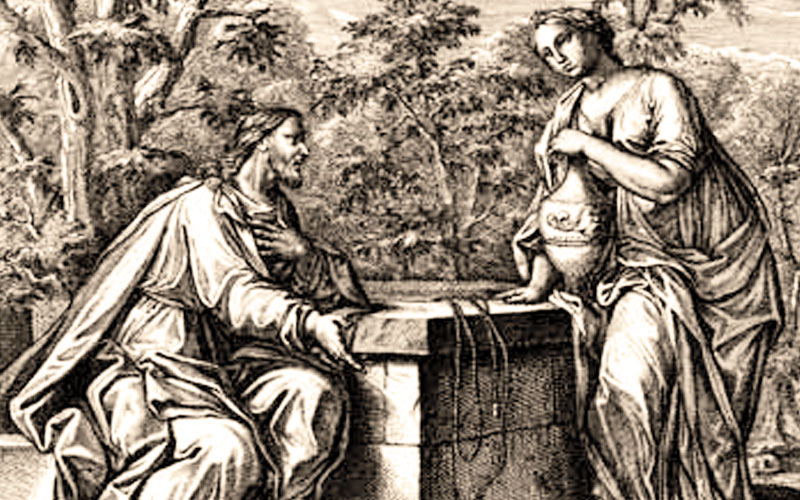
But an hour is coming, and now is, when the true worshipers will worship the Father in spirit and truth; for such people the Father seeks to be His worshipers. God is spirit, and those who worship Him must worship in spirit and truth” (John 4:23-24).

This passage is often cited to show how we are to worship. We must worship God in spirit and truth.
Continue Reading

Some Thoughts on Persecution

Persecution

The Bible plainly affirms that all Christians will face persecution. “Indeed, all who desire to live godly in Christ Jesus will be persecuted” (2 Timothy 3:12). Of course, we may not all face the same degree of persecution. Some will be persecuted severely while others, in comparison, will face only minor persecution. Jesus indicated to Peter that he would have to die for His faith even though John might not (John 21:18-22). Today, there is relatively little physical persecution against Christians in this country, but there are brethren around the world in much more difficult situations. This should not surprise us. We will all be persecuted, but not with equal severity.

Even though a degree of persecution is inevitable, we are to pray that some persecution may be avoided. Paul told Timothy that Christians are to pray for those in civil governments “so that we may lead a tranquil and quiet life in all godliness and dignity. This is good and acceptable in the sight of God our Savior” (1 Timothy 2:2-3). One of the roles God has given to civil governments is implied in this chapter. Civil authorities are to create and preserve an environment in which Christians can freely practice their religion. This means that the civil authorities are to refrain from persecuting Christians and are to protect their citizens (including Christians) from persecution by others. It is good in God’s sight to pray for our government and those around the world that this type of environment may be maintained.

Why should we pray for civil authorities to do their job in preventing persecution? It is not simply for selfish reasons (because we do not want to face persecution). Rather, it is because persecution hinders the teaching of the gospel. Paul went on to explain why it is good in the sight of God for governments to provide and maintain a peaceful environment. It is because God “desires all men to be saved and to come to the knowledge of the truth” (1 Timothy 2:4). When Christians are unable to “lead a tranquil and quiet life in all godliness and dignity” (1 Timothy 2:2), it is harder for them to do the work they need to do in spreading the gospel.
Continue Reading

The Sabbath Day

[This article was written by Larry R. DeVore.]

In Genesis 1:1 through 2:3 we find the account of God creating the world and everything in it in six days and resting on the seventh day. The Hebrew word for Sabbath (Shabbat) does not appear in the book of Genesis. It does not appear in the Scriptures until Exodus 16:23.

Therefore, this is contrary to the teaching of the Seventh Day Adventist Church, who teaches that God established an eternal Sabbath Observance Law in the very beginning.

Genesis 2:3 says, “God blessed the seventh day and sanctified it, because in it He rested from all His work which God created and made” (NASB).
Continue Reading

Do Miracles Happen Today?

[This article was written by Tim Haile.]

The Bible records a great number of miracles that were witnessed by thousands of people throughout the known world. These miracles physically benefited the thousands of people who were affected by them. The dead were raised, the crippled, sick and diseased were healed, the blind, deaf and mute were cured, and the demon-possessed were freed. Miracles demonstrated God’s power over both the physical and spiritual domains. They served as signs and wonders that testified to the existence of a power that is far greater than what man possesses. As we shall see in this study, these supernatural events served a special purpose. Sadly, too many people largely ignore this purpose today.
Continue Reading

The Restoration Plea

Cane Ridge Revival

In the first century, after the Lord’s church was established, there were no denominations like we have today. Of course, there were some who departed from the faith while still holding to a form of religion. A notable example is Diotrophes (3 John 9-11) who took control of a congregation and expelled those who wanted to follow the apostles’ doctrine. But generally, the churches in the first century could be accurately called “churches of Christ” (Romans 16:16) because they submitted to Christ’s authority and not to that of any man.

While the early church generally enjoyed unity by submitting to the authority of Christ alone, Paul warned of a movement that would change all of this. He wrote to the church at Thessalonica about “the apostasy” that was coming. He personified this great apostasy by calling it “the man of lawlessness” (2 Thessalonians 2:3). This “man of lawlessness” was described as one who “opposes and exalts himself above every so-called god or object of worship, so that he takes his seat in the temple of God, displaying himself as being God” (2 Thessalonians 2:4). This apostasy would be characterized by certain men exalting themselves among God’s people, claiming to speak for God and exercise authority over their brethren. It is called an apostasy because it would begin with some who were faithful Christians, but they would depart from the faith to follow their own doctrines and practices. This is exactly what denominationalism is. Denominationalism, beginning with the Catholic church, is the great apostasy.
Continue Reading

Choosing Sides

Arrow sign

Exodus 32 records the sin of the Israelites in making and worshiping a golden calf. When Moses came down from the mountain, he first confronted Aaron for allowing the people to commit this iniquity (Exodus 32:21). Then he turned his attention to the people.

It is important to note that Moses did not immediately condemn the people. This is consistent with the character of God who gives men the chance to repent and come to Him (cf. Ezekiel 18:32; 2 Peter 3:9). So Moses extended this invitation: “Whoever is for the Lord, come to me” (Exodus 32:26).
Continue Reading

Belief or Disbelief?

He who has believed and has been baptized shall be saved; but he who has disbelieved shall be condemned” (Mark 16:16).

This is a pretty easy verse to understand. Jesus specifically states two things that are necessary for salvation – belief and baptism.
Continue Reading