The Sin of Nadab and Abihu (Season 3, Episode 3)

Subscribe: iTunes | Stitcher | RSS

The Sin of Nadab and Abihu (Season 3, Episode 3)

Chapters 6-10 in Leviticus focus on the priests. This section begins by describing the role of the priests in each of the five offerings. After that, we have the first of two events recorded in the book – the consecration of Aaron and his sons, followed by sacrifices and then the sin of Nadab and Abihu. In this episode, we will focus on the sin of Nadab and Abihu and what lessons we can learn from it.

If you found this episode to be useful, please share it with others. Also, if you enjoyed the podcast, please leave a rating on iTunes or Stitcher. This also helps others hear about the podcast. Thanks.

How Can People Know We Are Christians?

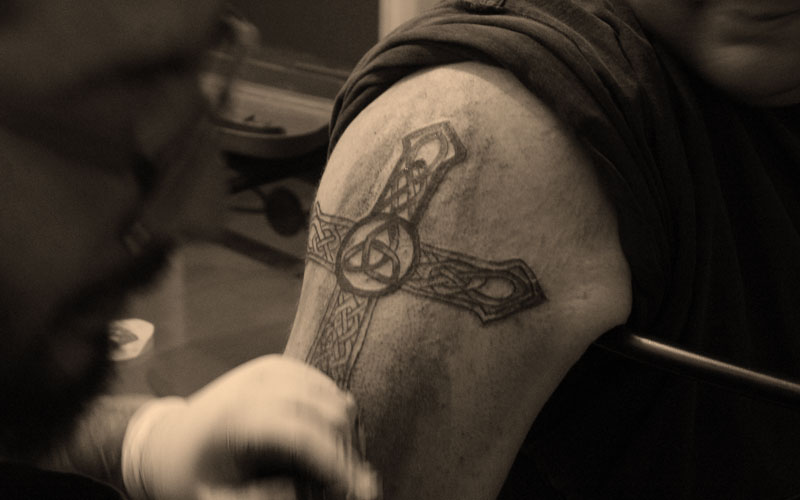
Cross Tattoo

I recently read an article that talked about a group using tattoos as a fundraiser for a church project. Those who were participating were getting tattoos that were meant to convey the message that they were Christians. On one hand, it is tempting to see this as commendable. With tattoos being (relatively) permanent, one could argue that they can be a good expression of our commitment to following Jesus.

However, the Bible never says that Christians are to indicate their identity as disciples of Jesus by some markings on their skin. In fact, the concept is just like the practice of the Pharisees who would “broaden their phylacteries and lengthen the tassels of their garments” (Matthew 23:5). The Pharisees wanted people to see, based upon the accessories that they wore, that they were zealously religious. Those who get tattoos (or wear certain jewelry or clothing) that are designed to convey a religious message and identify them as Christians are doing the same thing.

Jesus said there is another way that people should recognize us as being His followers – it is by the fruit that is produced in our lives.
Continue Reading

God Remembered

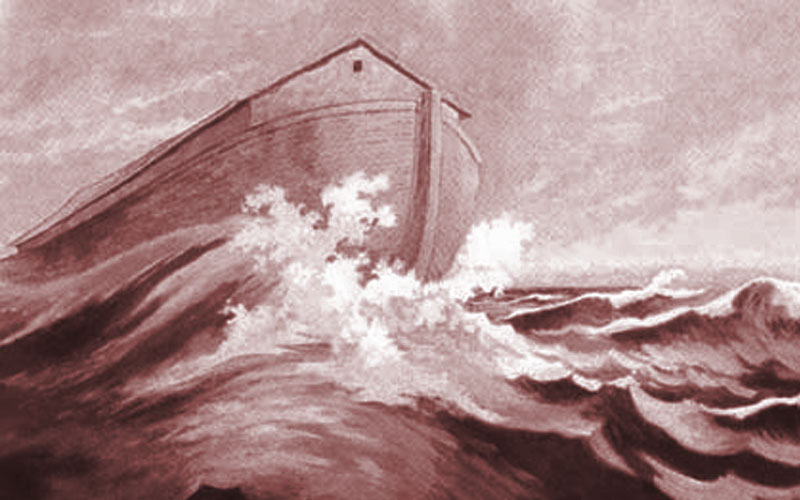
Noah's Ark

But, beloved, we are convinced of better things concerning you, and things which accompany salvation, though we are speaking in this way. For God is not unjust so as to forget your work and the love which you have shown toward His name, in having ministered and in still ministering to the saints” (Hebrews 6:9-10).

The Hebrew writer reminded the Christians to whom he wrote that God would not forget their work. The same promise applies to us today as well.

On an intellectual level, Christians may know this. We know that God is omniscient and, therefore, knows what we are doing and what we have done. However, during difficult times, it can sometimes feel as though God has forgotten us, even though we know He has not.
Continue Reading

Godly Sorrow

Prayer

There are many reasons to sorrow in this life. However, in this article we will focus on sorrowing over sin. Paul discussed this in his second letter to Corinth:

For though I caused you sorrow by my letter, I do not regret it; though I did regret it—for I see that that letter caused you sorrow, though only for a while—I now rejoice, not that you were made sorrowful, but that you were made sorrowful to the point of repentance; for you were made sorrowful according to the will of God, so that you might not suffer loss in anything through us. For the sorrow that is according to the will of God produces a repentance without regret, leading to salvation, but the sorrow of the world produces death.

For behold what earnestness this very thing, this godly sorrow, has produced in you: what vindication of yourselves, what indignation, what fear, what longing, what zeal, what avenging of wrong! In everything you demonstrated yourselves to be innocent in the matter” (2 Corinthians 7:8-11).

Sorrow can be produced by our own sins or the sins of others. Generally, sorrow is destructive unless we have the right kind of sorrow – godly sorrow. What is godly sorrow? Why is it beneficial for us? We will examine the passage above and seek to answer those questions in this article.
Continue Reading

Remember the Fallen

The Stoning of Stephen

In the United States, Memorial Day is a time to remember those who have died while serving in the armed forces. It is certainly appropriate for us to appreciate the sacrifices that have helped make it possible for us to live “a tranquil and quiet life” (1 Timothy 2:2).

In a similar way, it is good for us to remember those who died not for a country, but for the kingdom of Christ. The New Testament provides us with a record of a few such individuals. In this article we will remember these martyrs* and consider some lessons from their deaths.
Continue Reading

Three Thousand Souls

Crowd

The Lord’s church was established on the day of Pentecost following the death, resurrection, and ascension of Christ (Acts 2). The Scriptures indicate that three thousand individuals responded to the preaching of the apostles on that day by obeying the gospel (Acts 2:41). As a result, God added them to the church (Acts 2:47).

There were many others in Jerusalem on this day than just the three thousand who obeyed the gospel – including many who would have heard but did not respond to the preaching done by Peter and the other apostles. What can we know about these “three thousand souls” (Acts 2:41) that contributed to their reception of the gospel? Let us consider six things we know about these individuals from the text:
Continue Reading

The Importance of Faith (Part 2): Justification

The Importance of Faith (Part 2): Justification

Therefore, having been justified by faith, we have peace with God through our Lord Jesus Christ” (Romans 5:1).
Continue Reading