Genesis: A Book of Beginnings

Genesis

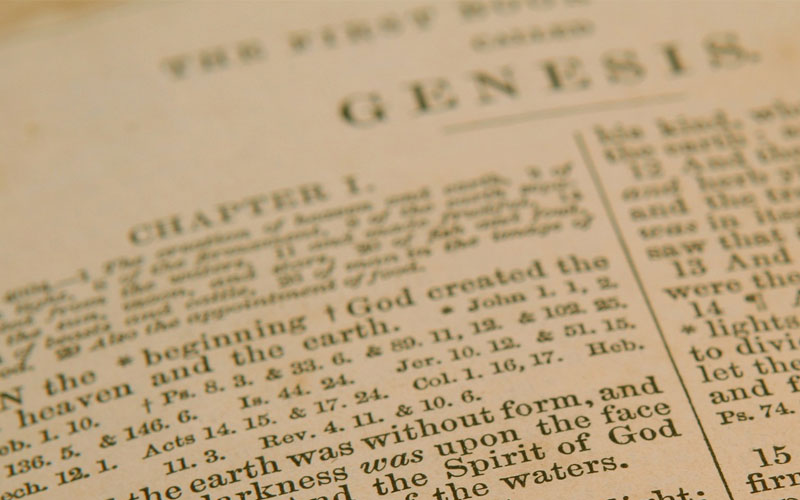
The Bible is a book of books – a collection of inspired writings that reveal God’s will for mankind. In it we find God’s great plan to save man from his sins. The first book is Genesis, a book of beginnings, which helps lay the foundation for the rest of the Bible. Let us notice a few significant things that had their beginning in Genesis.
Continue Reading

Making Sacrifices

Burnt Offering

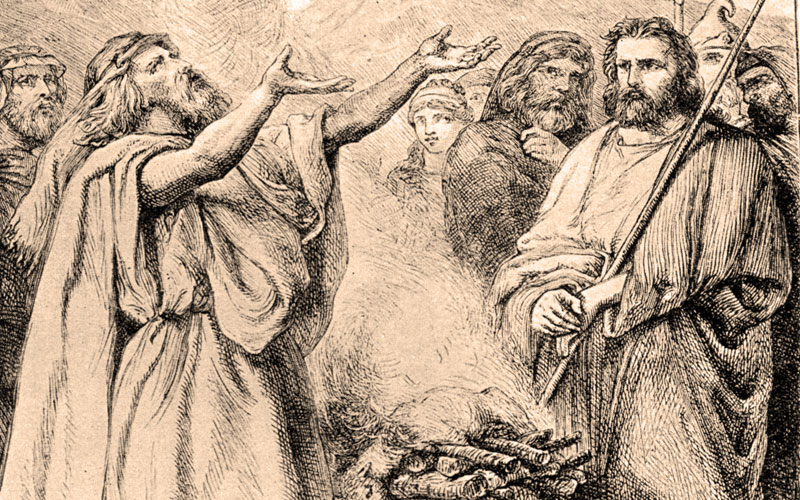
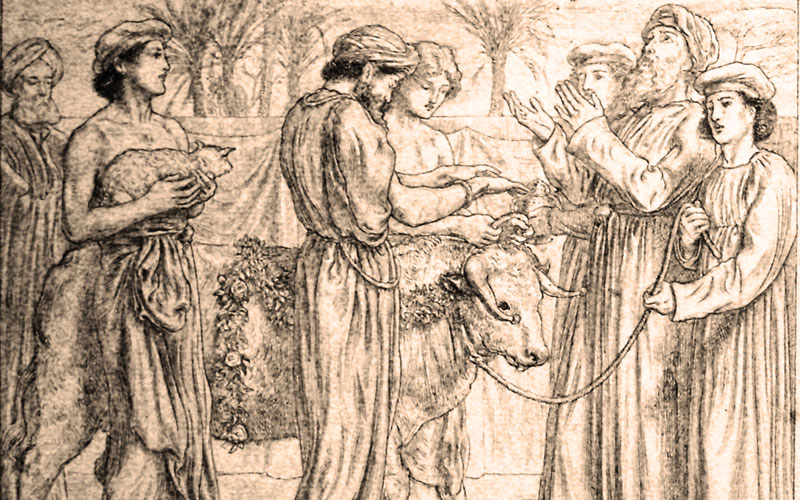
The Bible has much to say about sacrifices. Animal sacrifices were practiced throughout the Old Testament. The sacrifice of Jesus is part of the foundation of the gospel (1 Corinthians 15:3-4). We are told to sacrifice our lives for Him: “Therefore I urge you, brethren, by the mercies of God, to present your bodies a living and holy sacrifice, acceptable to God, which is your spiritual service” (Romans 12:1). Let us consider what the Bible has to say about the sacrifices we are to make.
Continue Reading

A Better Sacrifice

First Offering of Aaron

Every priest stands daily ministering and offering time after time the same sacrifices, which can never take away sins; but He, having offered one sacrifice for sins for all time, sat down at the right hand of God” (Hebrews 10:11-12).

Throughout this book, the Hebrew writer demonstrated why Jesus Christ and His new covenant are better than the system put in place by God through Moses. The above passage continued in this theme. It contrasted the work of the Levitical priests and the work of Christ.

The contrast is a simple one. The priests of old stand daily. Jesus sat down.
Continue Reading

The Body of Sin

Mannequins

Behold the Lord’s hand is not so short that it cannot save; nor is His ear so dull that it cannot hear. But your iniquities have made a separation between you and your God, and your sins have hidden His face from you so that He does not hear” (Isaiah 59:1-2).

This passage shows that our sins cause us to be separated from God. While this is a terrible consequence of sin, there is another danger that is in addition to this separation. The Bible teaches that if we allow it, sin can control us. Paul warned the saints in Rome about this:
Continue Reading

The Passing Pleasures of Sin

Moses and the Israelites

Among the great examples of faith in Hebrews 11, we read this about Moses:

By faith Moses, when he had grown up, refused to be called the son of Pharaoh’s daughter, choosing rather to endure ill-treatment with the people of God than to enjoy the passing pleasures of sin, considering the reproach of Christ greater riches than the treasures of Egypt; for he was looking to the reward” (Hebrews 11:24-26).

It is acknowledged in this passage that sin is pleasurable. That is why people choose to sin. We are never forced to do right or wrong; but many times we choose to sin. We sin because we are enticed by our own lust (James 1:14-15). When we give into these desires, we sin.
Continue Reading

Truths About Temptation

Escape

No temptation has overtaken you but such as is common to man; and God is faithful, who will not allow you to be tempted beyond what you are able, but with the temptation will provide the way of escape also, so that you will be able to endure it” (1 Corinthians 10:13).

It is inevitable that we will be tempted. However, we must remain faithful and not succumb to temptation. If we allow ourselves to fall, the ultimate result is spiritual death (James 1:14-15). So we must strive to overcome temptations whenever they come. The verse above provides three reminders that will help us do what is right when we are tempted to sin.
Continue Reading

Fellowship with One Another

Friends

Fellowship is a word that we often hear, but a topic that we do not hear discussed as often. When we discuss fellowship, we must understand the basis for our fellowship. Why do we have fellowship with one another? That question leads us to another question: Why do we not have fellowship with certain ones? This is the question many are uncomfortable with or are uninterested in discussing. So we frequently hear of fellowship, but not about fellowship. In this article, we will discuss fellowship, the basis for it, and the dangers of being too loose or restrictive in it.
Continue Reading