“Now Concerning the Collection” – Part 2: The Act of Giving

Collection Plate

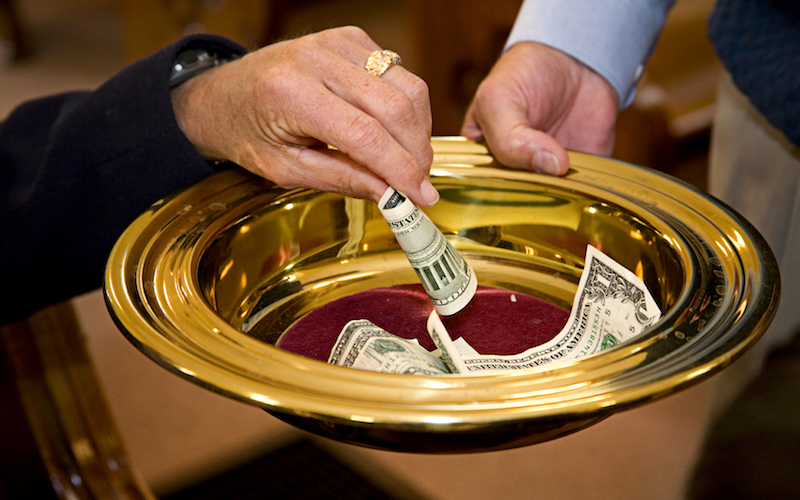
Before beginning a study, we must first have a clear understanding as to what is under discussion. What sort of giving are we talking about? The giving under consideration here has to do with the monetary contributions that are made to the church. We read of this when the church in Jerusalem was engaged in the act of giving – Christians were selling property and bringing the proceeds to the apostles. These funds were then distributed to needy saints (Acts 4:32-35).

Paul also spoke of giving to the Corinthians when he wrote “concerning the collection” (1 Corinthians 16:1) and gave them certain instructions regarding this practice. These instructions that were given to the Christians in Corinth were not peculiar to that congregation. The churches in the first century had a uniform teaching. Paul spoke of this when he told them of Timothy – another gospel preacher – who would come with the same message he had brought them. That message that Paul brought was the same message he preached “everywhere in every church” (1 Corinthians 4:17). So the instructions concerning the collection found in the New Testament apply to us today, regardless of where we are or the congregation of which we are members.
Continue Reading
Institutionalism

As we look at the work God has given to the church, we find a great amount of work to do. Jesus told His disciples, “The harvest is plentiful, but the workers are few” (Matthew 9:37). This means that there is plenty for all of us to be doing. Each local congregation has much work to do. There will never come a time as long as the earth stands when the Lord’s church has done all the work it can do.

Some look at the overwhelming amount of work to be done and try to devise a better way to do the works of evangelism, edification, and benevolence. One method men have created is what has been referred to as institutionalism. That is, they form organizations separate from the church to do the work of the church. However, when we read the New Testament, we find no organization other than the church that God has approved to do these works. This is not to say that we, as individuals, cannot perform these works. Individuals can spread the gospel (Acts 8:4), edify other Christians (Hebrews 3:13), and help those in need (Galatians 6:10). In fact, we are to do these things. But the only organization or collective we find in Scripture authorized to do these works is the church. We simply find no authority for Christians to form human organizations to do the work God gave the church to do.
Continue Reading

Is It Lawful to Conduct Weddings and Funerals in the Church Building?

[This article was written by Tim Haile.]

For many years, there has been a running debate over whether or not it is scriptural and right to conduct weddings and funerals in buildings that are either bought, built, or rented by the Lord’s people for the purpose of serving God. In considering the right or wrong of a particular practice, the first question in our minds should always be, “Is there authority for this practice?” The Bible says, “And whatsoever ye do in word or deed, do all in the name of the Lord Jesus…” (Colossians 3:17). If there is book, chapter, and verse authority for a practice, then the practice is right and it should be freely practiced. If biblical authority cannot be found for the practice, then it must be avoided and opposed. In this study we shall examine the arguments that are most often used in defense of conducting weddings and funerals in church buildings and we will test those arguments by God’s authoritative word. If these arguments pass that test then church buildings should be used for weddings and funerals at every opportunity. If the practice is authorized, it is just as authorized as other authorized practices. That would mean there would be just as much authority to use the building for weddings and funerals as there is to assemble for the Lord’s Supper or Bible study. If, however, these arguments prove either too much, or too little, then the practice needs to be reconsidered.

Continue Reading

The Spirit of the Law vs. The Letter of the Law

American Law Digests

Not that we are adequate in ourselves to consider anything as coming from ourselves, but our adequacy is from God, who also made us adequate as servants of a new covenant, not of the letter but of the Spirit; for the letter kills, but the Spirit gives life” (2 Corinthians 3:5-6).

But he is a Jew who is one inwardly; and circumcision is that which is of the heart, by the Spirit, not by the letter; and his praise is not from men, but from God” (Romans 2:29).

In these verses we see the contrast between the “Spirit” and the “letter.” This topic comes up in discussions with liberal brethren regarding their departure from the New Testament pattern. Those brethren use these verses to justify their practices and condemn so-called “legalism.”
Continue Reading

Restoration Principles

King Josiah and the scroll

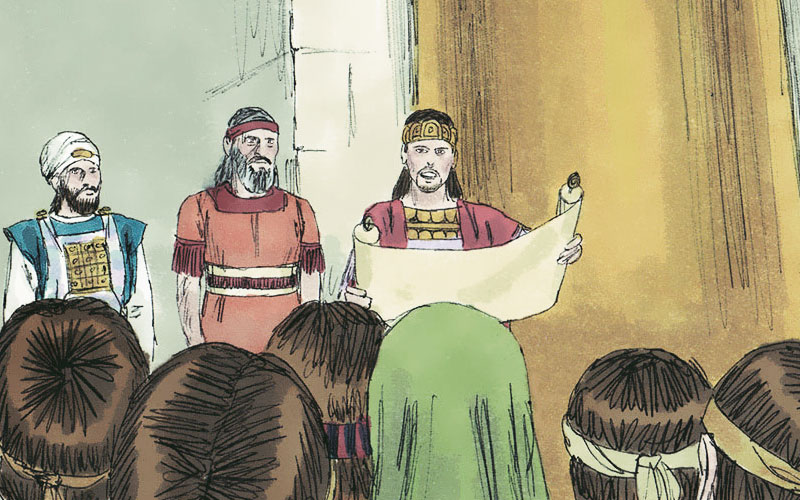
A movement began a couple hundred years ago in this country to try to restore New Testament Christianity. In this period, men discarded the creeds and churches of men to return to the pattern found in the New Testament. In 2 Kings 22, a similar restoration began. The goal was to return to the pattern found in the Law of Moses. The principles in this chapter show how faithful service to God can be restored and maintained. These principles were held by those who worked to restore New Testament Christianity in this country. The same principles can help us today to restore and maintain faithful service to God. Let us examine some lessons from the restoration of King Josiah’s day.
Continue Reading

The Reason for the Season

Nativity Scene

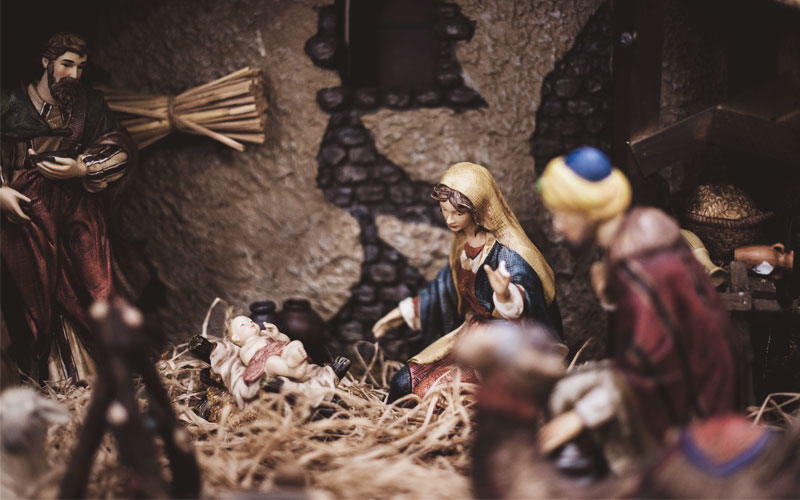
“Jesus is the reason for the season.” We often here this phrase around this time of year. The reason people use this phrase is to remind others of the religious significance of the season. The season implied here is the “Christmas” season. Many in the denominational world believe that Jesus Christ was born on December 25th. Some will admit we do not know for certain what day Jesus was born, but use that day to celebrate or commemorate his birth anyway. In either case, the plea is made for people to not get caught up in all the material things that surround the holiday, but instead to remember to celebrate the birth of Jesus. But what is the real reason for the season? We will notice a couple of reasons for the religious significance placed upon this time of year, specifically December 25th.
Continue Reading

Will Only Members of the Church of Christ Be Saved?

A common criticism about those who are members of churches of Christ is that “they think they are the only ones going to heaven.” It is likely that we have heard this or something similar to it before. The important question for us to answer is not whether people are making this claim or not. We need to be answering the question, “Is it true that only members of the church of Christ will be saved?” The answer to this question, as well as any Bible question, will not be found in the opinions of you, me, or any other man. The answer is in the word of God.
Continue Reading