You may have seen it on a bumper sticker or some other place: “Jesus is a liberal.” That is the claim by some. What exactly does this mean? Is it a fair description of our Lord? We need to be careful with terms like “liberal” or “conservative.” Anyone who has studied the Bible very much knows that those terms are not found in Scripture. Generally, in the realm of religion, “conservative” means one is more careful and particular with their handling of the Scriptures and application of them. To be “liberal” means one interprets the word of God more loosely and takes liberties in application of Biblical principles.
December 1, 2005
Our Sins and His Cross
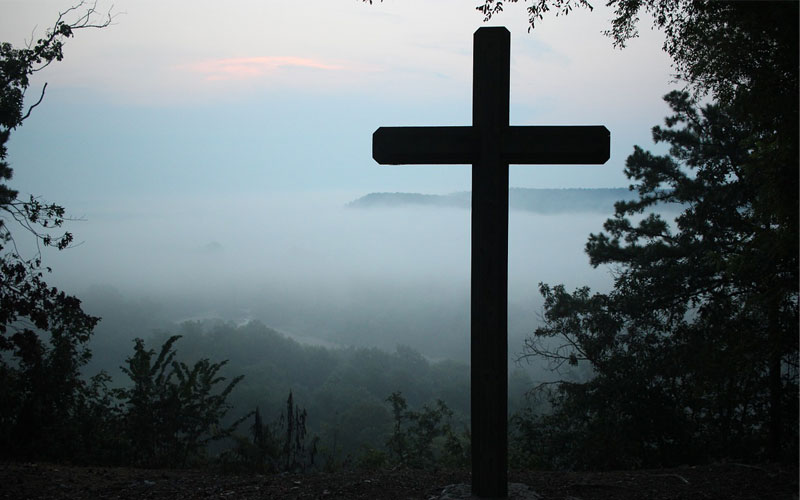
Sin separates man from God (Isaiah 59:2). Jesus came to bring back peace between man and God (Ephesians 2:13-16). To do this, He needed to do something to remedy the problem of sin. Peter wrote, “Christ also died for sins once for all” (1 Peter 3:18). Jesus’ death on the cross was God’s solution for sin. But how did this fix the problem? Some teach that our sins were placed upon Christ and then, in essence, “nailed to the cross.” Is this what happened? It is a familiar concept. But is it a Biblical idea?
One passage used to justify the idea that Jesus took on our sins and carried them to the cross is 2 Corinthians 5:21. “He made Him who knew no sin to be sin on our behalf, so that we might become the righteousness of God in Him.” What does it mean that Jesus was made “to be sin on our behalf”? Isolating this verse from its context and ignoring related passages, there are three possible interpretations:
Continue Reading
December 1, 2005
The Reason for the Season
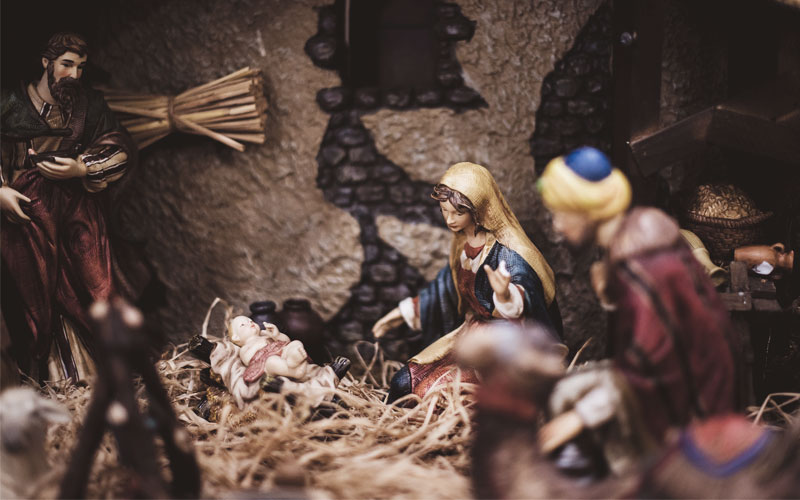
“Jesus is the reason for the season.” We often here this phrase around this time of year. The reason people use this phrase is to remind others of the religious significance of the season. The season implied here is the “Christmas” season. Many in the denominational world believe that Jesus Christ was born on December 25th. Some will admit we do not know for certain what day Jesus was born, but use that day to celebrate or commemorate his birth anyway. In either case, the plea is made for people to not get caught up in all the material things that surround the holiday, but instead to remember to celebrate the birth of Jesus. But what is the real reason for the season? We will notice a couple of reasons for the religious significance placed upon this time of year, specifically December 25th.
Continue Reading
November 1, 2005
“My God, My God, Why Have You Forsaken Me?”
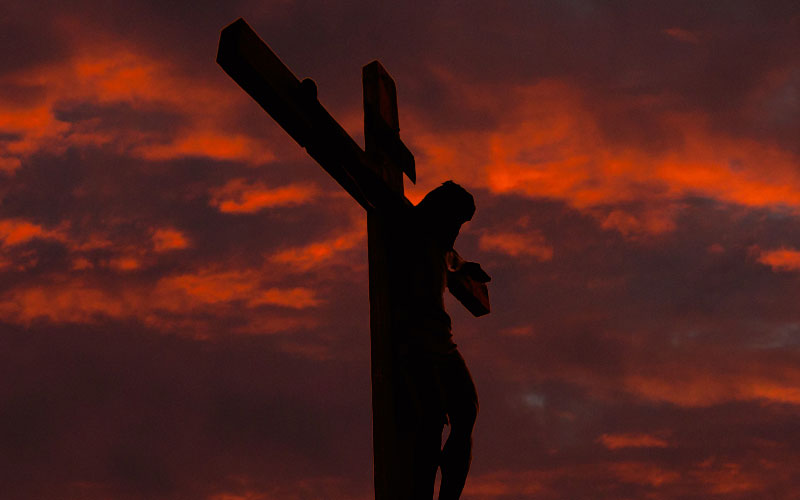
“My God, My God, why have You forsaken me?” (Matthew 27:46). Jesus uttered these words as He hung on the cross. But what do these words mean? Some believe Jesus asked this question because the Father had actually forsaken Him. They say the Father “turned His back” on Christ. This idea is so common, you might expect to see those actual words used in the text. They are not. The Bible does not say the Father turned His back on His Son. But was Jesus in fact “forsaken” by the Father? Or do these words have another meaning?
Continue Reading