Blessings and Burdens of Spiritual Independence

Earlier this week, Americans celebrated Independence Day, commemorating the day when the thirteen colonies declared their independence from England. In breaking ties, the colonies affirmed that they were able to govern themselves and no longer needed to be dependent upon a distant monarch.

There were certainly blessings that came from this independence. The most notable were freedom and having a government that could better relate to the concerns of the people. However, with independence also comes burdens – additional responsibilities that must now be fulfilled by the independent entity since they would no longer be dependent upon others as they were previously.

Blessings and burdens will exist anytime a person or a people determine to be independent from others. It was true with the thirteen American colonies. At the time of the Exodus when the Israelite people became independent from the Egyptians, they enjoyed blessings (freedom from bondage) and faced burdens (they could no longer rely upon the Egyptians to provide for them – Exodus 16:3). When a young adult moves out of the house and becomes independent from his parents, there are blessings in his new independence and burdens in the greater responsibilities since he now has to provide for himself. Independence, in any context, contains both blessings and burdens.

In this article, I want us to examine our independence as it pertains to spiritual matters. Through the provisions He has given, God has made it so that each one of us can faithfully serve Him, regardless of what others might choose to do. This is not to say that we should not work together or that we cannot help one another; rather, we must take responsibility as individuals for our own spiritual lives.Continue Reading
The Missing Prophet

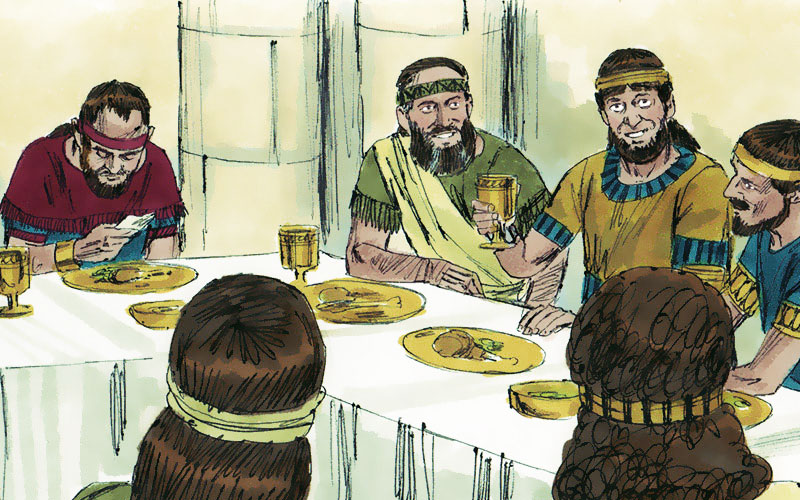
Adonijah

As David neared the end of his life, one of his sons, Adonijah, presumed to make himself king in David’s place (1 Kings 1:5). However, both David and the Lord indicated that Solomon should be king (1 Kings 1:17; 1 Chronicles 22:9-10). In the end, Solomon succeeded David on the throne (1 Kings 1:39) and Adonijah was put to death (1 Kings 2:24-25).

When we compare the rule of these two men — Solomon’s legitimate rule and Adonijah’s illegitimate rule — we find a notable difference between their administrations.
Continue Reading

A Noble Reception of the Gospel

After being run out of town in Thessalonica, Paul was sent to Berea. Here he continued doing the very thing that had previously stirred up opposition against him – teaching the gospel (Acts 17:1-5, 10). Fortunately, these individuals in Berea were “more noble-minded” than the ones Paul encountered in the last city. What was it that made them noble-minded? It had to do with their reception of the gospel.

Now these were more noble-minded than those in Thessalonica, for they received the word with great eagerness, examining the Scriptures daily to see whether these things were so” (Acts 17:11).

This verse shows us three reasons why the Bereans were called “noble-minded.” In addition, we can see how we should receive preaching and teaching today.
Continue Reading

The Hand of God was Upon Ezra

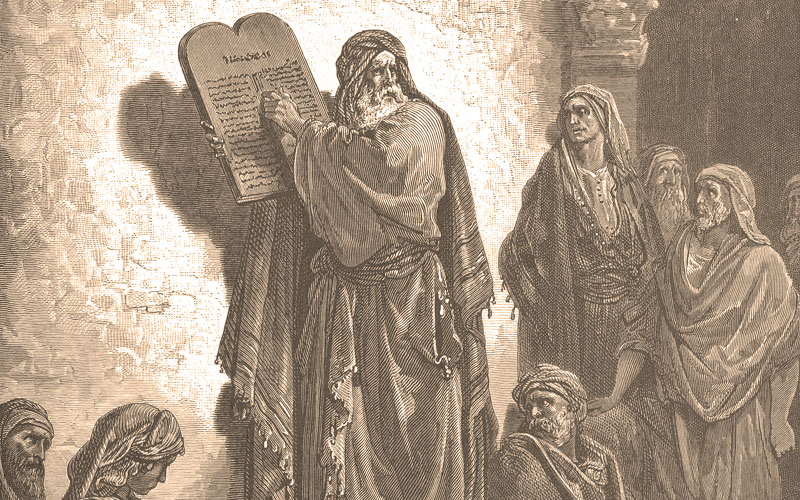
Ezra Reads the Law

Following the Babylonian captivity, the Jews were allowed to return to their homeland and, with the blessing of the king of Persia, rebuild the temple. Ezra, a priest and scribe, was sent back to the land after the temple was completed. During this time God was with him. The Scriptures also explain why He was with Ezra.

For on the first of the first month he began to go up from Babylon; and on the first of the fifth month he came to Jerusalem, because the good hand of his God was upon him. For Ezra had set his heart to study the law of the Lord and to practice it, and to teach His statutes and ordinances in Israel” (Ezra 7:9-10).

This passage contains four reasons why Ezra found favor with God. We would do well to learn from Ezra’s example here. These are the same things we must do today to find favor with God.
Continue Reading

Read Through the Bible in 2010

The new year is upon us. Many people are making resolutions. A good number of them will be making the resolution to spend more time studying the Bible or even to read through the Bible. If that’s what you’ve decided to do (and it is certainly a worthwhile exercise), here are a few resources online that can help you.
Continue Reading

Preparing to Preach

In an article posted August 4 on the Christian Courier website, Wayne Jackson has some good advice for men desiring to preach the gospel and how to prepare for that work. His advice about attending a “Christian college” is particularly good. His concerns about such an education are some of the ones I have as well. This is what he had to say:
Continue Reading

Making the Most of Your Time

Pocket Watch

Each one of us is busy with obligations and responsibilities that have been placed upon us and that we have taken upon ourselves. Our lives can be hectic and we sometimes wonder how we will ever have time to do what we need to do. This is just as much of a challenge for Christians as it is for anyone else.

Paul provided some instructions about time management that would be good for us to heed:

Therefore be careful how you walk, not as unwise men but as wise, making the most of your time, because the days are evil” (Ephesians 5:15-16).

Continue Reading