Who Is to Blame for the Abortion Tragedy?

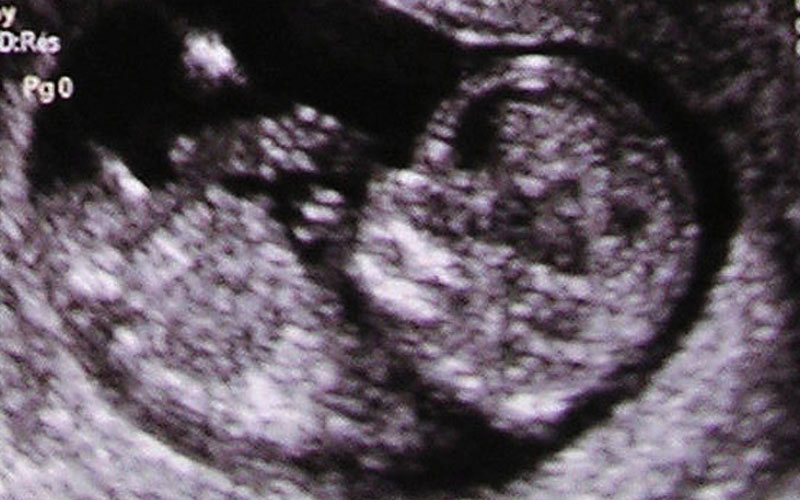
Ultrasound

Many who defend the practice of abortion attempt to classify it under the heading of “health care” or as “a woman’s right to choose.” The reality is that the practice of abortion is the act by which the life of a child in the womb is deliberately terminated. In other words, when an abortion is performed, an unborn child (a human being) is intentionally killed.

In our society, the issue about abortion has shifted away from the question about when life begins. If it does not matter when life begins, then it does not matter when an abortion occurs. This means one of two things:

  1. EITHER abortion is wrong at every stage of pregnancy (this is the pro-life position);
  2. OR abortion is acceptable at every stage of pregnancy, even up to the point of birth (this is now the pro-abortion position).


Continue Reading

Mercy Triumphs Over Judgment

James 2:13

For judgment will be merciless to one who has shown no mercy; mercy triumphs over judgment” (James 2:13).

This passage contains an important lesson for us, yet it is often misused by those who twist this passage in order to defend their particular ideology. Like anything else in the Bible, context is important. So in this article, we are going to see what this verse – in its context – teaches us so we can properly apply it and not be guilty of misusing or misapplying it.Continue Reading

How to Discuss Contentious Topics

Argument

Most have noticed that the world in which we live has become more divided and contentious in the past few years. Many topics that come up for discussion – both in person and especially online – can elicit strong emotional responses from individuals. Because of this, we may be tempted to avoid any type of discussion on potentially controversial issues, especially if we know (or are reasonably certain) there will be disagreement.

However, for many controversial topics, there are Biblical principles that apply to them. Therefore, discussions on these sorts of issues can provide a way to direct others – especially those who are not Christians – to what the Bible teaches. So we should not avoid discussing such things altogether, but we do need to understand the proper way to discuss contentious topics.Continue Reading

When the Son of Man Comes

Sun behind the clouds

Different people look forward to different events in their future. A high school student may be anticipating graduating and going to college. A young couple may be looking forward to having children. Those who are older may be preparing for retirement. People might look forward to the weekend as a time for fishing, attending a sporting event, or just spending time at home.

These anticipated events will be different for everyone because each person has different desires, priorities, and interests. Their plans for the future are different because everyone has unique circumstances so they can expect certain things to happen (good or bad).

However, one future event that is the same for all of us is the return of Christ at the end of the world. What will happen then? How can we prepare for this day? To answer these questions, we will consider what Jesus taught about the coming of the Son of Man.Continue Reading

Planning for the Future

Plan

The mind of man plans his way, but the Lord directs his steps” (Proverbs 16:9).

If we are going to be pleasing to God, there are two critical factors for us to consider – God’s instructions and our decisions. At the turn of every new year, many of us make resolutions and goals for the upcoming year. With this in mind, let us consider some passages from the book of Proverbs about planning for the future. As we move forward in the new year, we need to be sure we are acting with wisdom.Continue Reading

What to Do When You’ve Sinned

GuiltDavid was a man after God’s own heart (Acts 13:22), yet he committed a series of terrible sins in his affair with Bathsheba (2 Samuel 11). This can happen to us, even as God’s people – we can commit sins even though we have been called to righteousness.

We often talk about the need to overcome temptation – and we should, this is the goal (cf. 1 John 2:1). But what happens when we fail to overcome temptation? Are we without hope? No, we can be forgiven. Should we continue that errant course? Again, no, we are still to strive to do what is right. So what should we do?

In this article, we are going to notice six things we need to do after we have sinned.Continue Reading

The Message of the Gospel

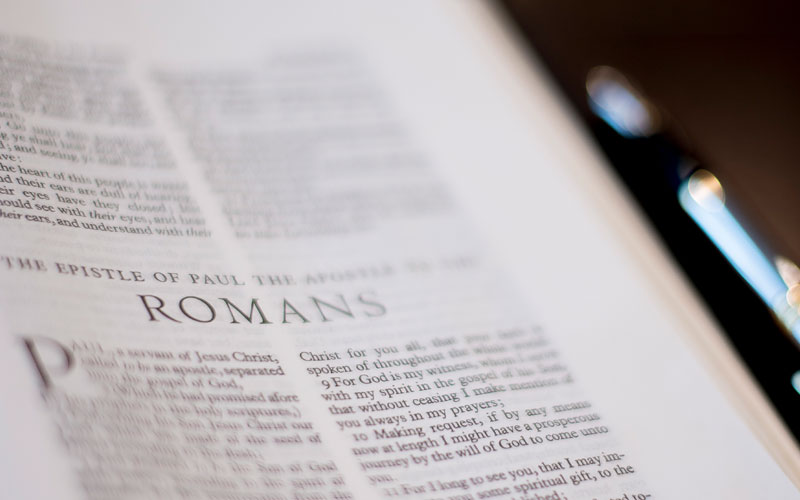
Romans

In his letter to the Christians in Rome, Paul described the gospel as “the power of God for salvation to everyone who believes, to the Jew first and also to the Greek” (Romans 1:16). This verse is often thought of as the theme of Paul’s letter – and for good reason. However, it is also important to note the first few verses of this letter as they introduce this central topic.

Paul, a bond-servant of Christ Jesus, called as an apostle, set apart for the gospel of God, which He promised beforehand through His prophets in the holy Scriptures, concerning His Son, who was born of a descendant of David according to the flesh, who was declared the Son of God with power by the resurrection from the dead, according to the Spirit of holiness, Jesus Christ our Lord, through whom we have received grace and apostleship to bring about the obedience of faith among all the Gentiles for His name’s sake, among whom you also are the called of Jesus Christ” (Romans 1:1-6).

Since the gospel is “the power of God for salvation” (Romans 1:16), we want to be prepared to talk to others about the gospel – especially those who are unfamiliar with it. The opening verses of the book of Romans provide us with an outline to help us do just that. Let us break down these verses and see how they help explain the message of the gospel.Continue Reading