Happy Birthday, Jesus?

Nativity Scene

For most of us, the holidays are for spending time with family and enjoying the blessings that we have in this life. But for many in the religious world, the Christmas holiday is also a time for them to celebrate the birth of Jesus. Some even believe that Jesus was born on December 25th. Therefore, they observe Christmas (December 25th) as a religious holy day. However, there are two problems with this:
Continue Reading
The Root of the Problem (Part 6): Rebellion

The Root of the Problem: Why We Sin & How We Can Overcome

A rebel is one who acts against authority. Such action can be good when those who are in authority are corrupt and oppose God (Acts 5:29). But those who refuse to submit to such authorities are not simply being rebellious. They are acting in submission to the higher authority – God. But there are some who simply refuse to submit to anyone in authority – parent, teacher, employer, police officer, government official, even God. They want to be free to do as they please without restrictions placed upon them by others.

Sin occurs when we fail to submit to God. If we want to overcome sin, we must obey God, for sin is a transgression of His law.
Continue Reading

How One’s Heart Becomes Hardened

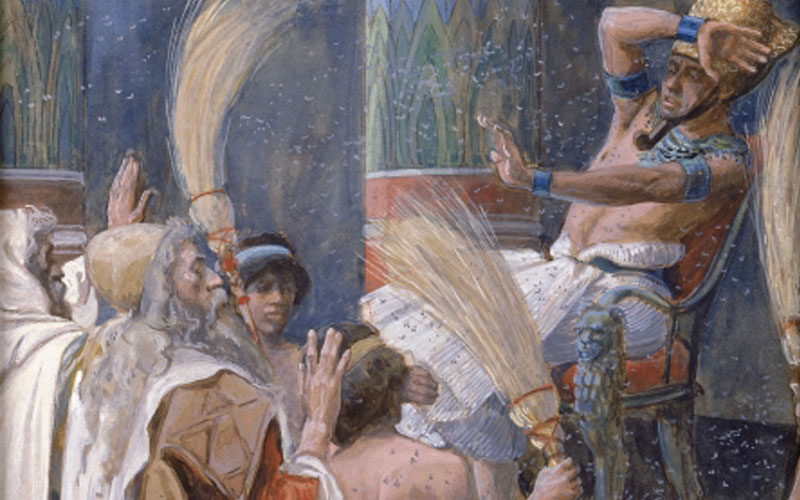
Pharaoh - Plague of Flies

Take care, brethren, that there not be in any one of you an evil, unbelieving heart that falls away from the living God. But encourage one another day after day, as long as it is still called ‘Today,’ so that none of you will be hardened by the deceitfulness of sin” (Hebrews 3:12-13).

The Hebrew writer warned about brethren developing an unbelieving heart that had been hardened by sin. This came in the middle of two warnings against following the poor example of the Israelites: “Today if you hear His voice, do not harden your hearts as when they provoked Me” (Hebrews 3:7-8, 15).

The example of the Israelites hardening their hearts is a warning for us. However, the Israelites also had an example from whom they should have learned – Pharaoh. In this article, we will focus on the example of Pharaoh and how his heart became hardened. In considering this, we will hopefully recognize what we can do to prevent our hearts from hardening as well.
Continue Reading

The Shepherd and the Sheep

Shepherd

Jesus described Himself as “the good shepherd [who] lays down His life for the sheep” (John 10:11). A shepherd provides guidance, sustenance, and protection for the flock. No one is able to provide the same care for us as Jesus. He willingly sacrificed Himself for us (John 10:17-18). Therefore, it is vitally important that we have Christ as our shepherd.

How do we become one of His sheep? And how do we remain in His fold? Notice what Jesus said:

My sheep hear My voice, and I know them, and they follow Me” (John 10:27).

Let us briefly examine this phrase to see how we can take advantage of the care provided by the Good Shepherd.
Continue Reading

Do the Ends Justify the Means?

Young man thinking

You have likely heard the phrase, “the ends justify the means.” Most people believe this concept, at least in certain applications. The idea is that if the end result is good, then it does not matter if the means to that end are wrong – all that really matters is the end result.

Common examples of this mindset are to say that it is fine to lie as long as it is done for a good purpose (to spare someone’s feelings, prevent embarrassment, advance yourself, etc.), or that it is acceptable to steal in order to feed one’s family. However, the word of God – our standard for morality – clearly defines lying and stealing as being wrong (Ephesians 4:25, 28). A noble purpose does not justify sinful behavior.

There are many applications we can make regarding the false concept of the ends justifying the means. But in this brief article, I want to focus on the area of evangelism.
Continue Reading

Does Your Church Do Anything Special on Easter Sunday?

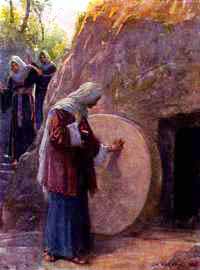
The Empty TombWith the approaching Easter holiday, many of the churches of men are making preparations for their Easter services and programs. Such activities are so common that those in the Lord’s church are often asked by their friends and neighbors: Does your church do anything special on Easter Sunday?



Before answering that question, let us remember what Easter is. Easter is a holiday that is celebrated both religiously (to celebrate the resurrection of Christ) and secularly (Easter egg hunts, candy, etc.). Easter is not mentioned in the Bible, aside from a mistranslation of the word Passover in the King James Version (Acts 12:4).*

Does it matter that the religious observance of Easter is absent from the Bible? Absolutely! Notice what Paul wrote to the brethren in Colossae:

Whatever you do in word or deed, do all in the name of the Lord Jesus, giving thanks through Him to God the Father” (Colossians 3:17).

Continue Reading

Teaching the Next Generation

Family Portrait

It has been said before that the church is just one generation away from apostasy. This is certainly true. While there are exceptions to any rule, generally what the wise man said is accurate: “Train up a child in the way he should go, even when he is old he will not depart from it” (Proverbs 22:6). If we want children to follow the way of truth when they grow up, they must be taught the way of truth while they are growing up.

As we raise the next generation, we should focus on this question: Why do we believe, teach, and practice what we do? This is important. We are to “please [God] in all respects” (Colossians 1:10). The next generation must be taught to please God as well. But if we do not teach them how to do this, what will they do when they are grown?
Continue Reading