
Ezekiel 18 addresses the justice of God – how He treats individuals, both the righteous and the wicked, and how He will judge us. Let us examine what this chapter teaches us about God and His justice.
Continue Reading
Ezekiel 18 addresses the justice of God – how He treats individuals, both the righteous and the wicked, and how He will judge us. Let us examine what this chapter teaches us about God and His justice.
Continue Reading

We often talk about the conversion of Saul – later known as the apostle Paul – because of the important lessons to be found in it about how one becomes a Christian. But what about what happened after Saul’s conversion? There are important lessons here as well. Let us look at what Saul did following his conversion.
Continue Reading
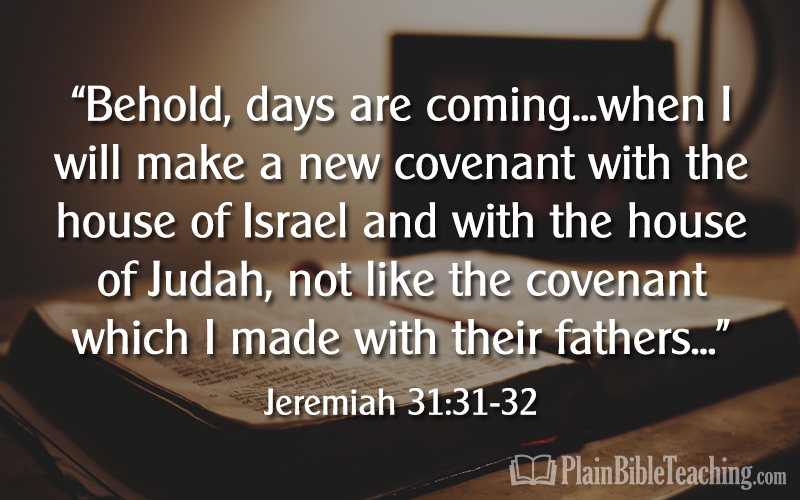
Some have a misunderstanding about the nature of God’s covenant with us today. Has there been one everlasting covenant throughout the history of mankind? Or is the covenant currently in force today different from the one we read about in the Old Testament? If we consider one of the prophecies from Jeremiah, we will get a clearer picture of the nature of the new covenant which is currently in effect.
Continue Reading

We sometimes sing the song, “Did You Think to Pray?” In one of the verses, it mentions the “Balm of Gilead.” This may be an unfamiliar term to us. What exactly is the Balm of Gilead? In order to have a better understanding and appreciation for the words we are singing, let us notice what the Bible says about it.
Continue Reading
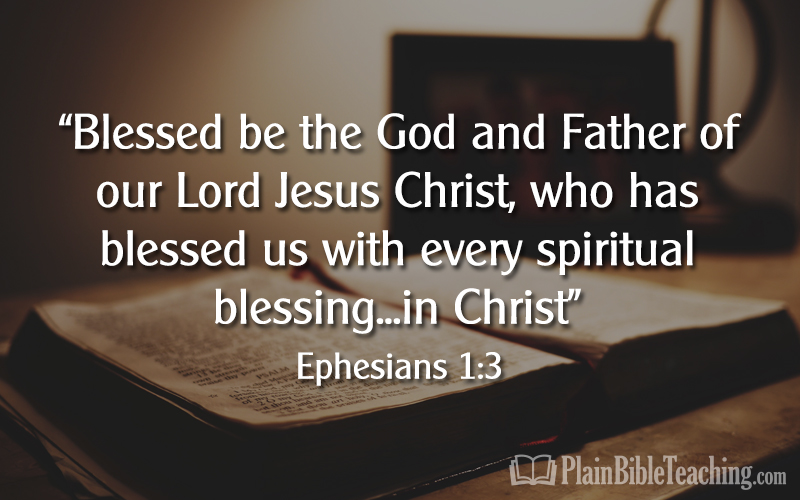
Paul began his letter to the Ephesians by offering praise to God: “Blessed be the God and Father of our Lord Jesus Christ” (Ephesians 1:3). There are many reasons why God is worthy of all praise and honor; but in this passage, Paul directed our attention to the spiritual blessings we have from Him. We give glory to God because he has “blessed us with every spiritual blessing in the heavenly places in Christ” (Ephesians 1:3).
As Paul continued, he listed some of the spiritual blessings available to us:
Continue Reading
 People often want to think of degrees of sin. They view some sins as particularly heinous (rape, murder, etc.), and others as being virtually innocent (“a little white lie”). Is it accurate to grade particular sins and judge them against one another in this way?
The fundamental question we have is this: Are some sins worse than others? Yes and no. It depends on what aspect of sin one has in mind. In this article, we will briefly examine this question.
Continue Reading
One of the major distinctions between brethren and the religious world relates to how we understand baptism. We teach that baptism is necessary for salvation (Mark 16:16; 1 Peter 3:21), is for the remission of sins (Acts 2:38; 22:16), and is our entrance into the Lord’s kingdom (Acts 2:41, 47; 1 Corinthians 12:13). Many others teach that baptism is an outward sign of an inward grace (that we are saved before and without baptism) and that it is for membership in a local church or denominational body.
Of course, there are no passages in the New Testament that teach baptism is an outward sign of an inward grace or that we are baptized to gain membership into a local church (and certainly not into a denomination since the New Testament does not speak about them at all). Instead of trying to twist passages in order to provide positive support for these ideas, denominationalists will generally will try to make arguments against the necessity of baptism. They quibble about various passages to try to attack the truth about baptism. Let us notice some passages that people try to use in arguing that baptism is not essential for salvation.
Continue Reading










What does “propitiation” mean? How is “justification” connected to salvation? What does “sanctification” look like in our day-to-day lives? The Bible uses some powerful words to describe God’s plan to save mankind. However, these words are not always easy to understand, especially when they are not part of our everyday vocabulary. This book explores key Bible terms that unlock the message of the gospel.
Big Words in the Bible examines five important words – Propitiation, Reconciliation, Sanctification, Justification, and Resurrection – using plain language to see how the Scriptures describe these concepts and how the apostle Paul employs them in his letter to the Romans. This book also contains an appendix with eleven additional articles to explore these topics further.
Whether you are new to the Bible and want to grow in your understanding or want a simple way to explain these core gospel doctrines to others, this book will be helpful. With a focus on the Scriptures, Big Words in the Bible helps break down these fundamental topics to shed light on the life-changing message of the gospel and the salvation found in it.
Available in print and digital format.

This work is licensed under a Creative Commons Attribution-NonCommercial-ShareAlike 3.0 Unported License.
If you have further questions about using any of the material on this site, please contact me.