Traditionalism and Illiteracy

Matthew recorded a discussion that Jesus had with the Pharisees and scribes on the subject of traditions. The Pharisees and scribes questioned Jesus about His disciples breaking “the tradition of the elders” by not washing hands before eating bread (Matthew 15:1-2). Jesus responded by questioning them about another tradition in which they neglected to care for their parents in need, but justified themselves by claiming to have given the money that would have helped them to God (Matthew 15:4-5). Jesus said that keeping their tradition caused them to “transgress the commandment of God” (Matthew 15:3). They had “invalidated the word of God for the sake of [their] tradition” (Matthew 15:6).

The Pharisees and scribes were blinded by traditionalism. While there was nothing wrong with their tradition to wash hands before eating bread, their tradition blinded them to the fact that no sin was committed by one not washing his hands. The other tradition that Jesus cited led to a direct violation of God’s law. Yet their tradition blinded them to their sin of failing to honor their father and mother.

Jesus connected their traditionalism with the prophecy of Isaiah:

You hypocrites, rightly did Isaiah prophesy of you: ‘This people honors Me with their lips, but their heart is far away from Me. But in vain do they worship Me, teaching as doctrines the precepts of men’” (Matthew 15:7-9).

If we look at the context of Isaiah’s prophecy, we can see that Jesus likened their traditionalism to illiteracy.
Continue Reading

All Things Work Together for Good

Gears

And we know that God causes all things to work together for good to those who love God, to those who are called according to His purpose” (Romans 8:28).

This verse is popular among religious people. It is often used to refer to a wide range things – finding a spouse, obtaining a job, recovering from an illness, receiving some unexpected financial benefit, etc. Are all of these types of things under consideration in this verse or was Paul discussing something specific?
Continue Reading

Hold Fast the Word

Open Bible

Hold fast the word.” This statement, or one similar to it, is found several times in the New Testament. The “word” to which we are to “hold fast” is the word of God. But why are we to hold fast to it? We can answer that question by examining the passages that contain this admonition. There are several reasons why we must continue to “hold fast the word.” Let us notice the reasons presented to us in the Scriptures.
Continue Reading

How to Receive God’s Grace

Sunlight on the ocean

Any hope that we have to be saved is by the grace of God (Ephesians 2:8). God’s grace is offered to all (Titus 2:11); however, it is not received by all. How do we receive God’s grace? James explained:

But He gives a greater grace. Therefore it says, ‘God is opposed to the proud, but gives grace to the humble.’ Submit therefore to God. Resist the devil and he will flee from you. Draw near to God and He will draw near to you. Cleanse your hands, you sinners; and purify your hearts, you double-minded. Be miserable and mourn and weep; let your laughter be turned into mourning and your joy to gloom. Humble yourselves in the presence of the Lord, and He will exalt you” (James 4:6-10).

James’ explanation is very different from what a denominational preacher would give. Yet his explanation is “inspired by God” (2 Timothy 3:16). So let us take a closer look at what James had to say on the subject of receiving God’s grace.
Continue Reading

Using Our Bodies as Instruments of Righteousness

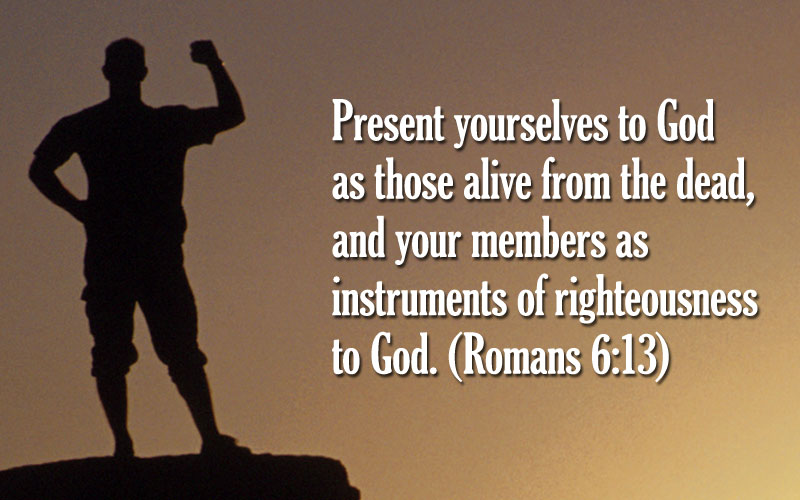
Romans 6:13

Therefore do not let sin reign in your mortal body so that you obey its lusts, and do not go on presenting the members of your body to sin as instruments of unrighteousness; but present yourselves to God as those alive from the dead, and your members as instruments of righteousness to God. For sin shall not be master over you, for you are not under law but under grace” (Romans 6:12-14).

Our bodies can be used one of two ways – either for God or for sin. As Christians, we are to present our bodies as living sacrifices to God (Romans 12:1). Our bodies are “for the Lord” (1 Corinthians 6:13); therefore, Paul said, “Glorify God in your body” (1 Corinthians 6:20).

How do we use the members of our bodies as instruments of righteousness? Let us consider what the Scriptures teach about this.
Continue Reading

The Root of the Problem (Part 6): Rebellion

The Root of the Problem: Why We Sin & How We Can Overcome

A rebel is one who acts against authority. Such action can be good when those who are in authority are corrupt and oppose God (Acts 5:29). But those who refuse to submit to such authorities are not simply being rebellious. They are acting in submission to the higher authority – God. But there are some who simply refuse to submit to anyone in authority – parent, teacher, employer, police officer, government official, even God. They want to be free to do as they please without restrictions placed upon them by others.

Sin occurs when we fail to submit to God. If we want to overcome sin, we must obey God, for sin is a transgression of His law.
Continue Reading

How One’s Heart Becomes Hardened

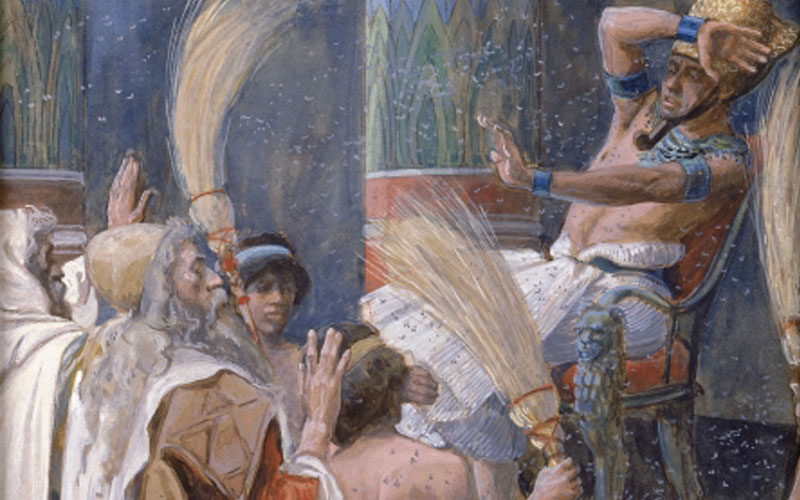
Pharaoh - Plague of Flies

Take care, brethren, that there not be in any one of you an evil, unbelieving heart that falls away from the living God. But encourage one another day after day, as long as it is still called ‘Today,’ so that none of you will be hardened by the deceitfulness of sin” (Hebrews 3:12-13).

The Hebrew writer warned about brethren developing an unbelieving heart that had been hardened by sin. This came in the middle of two warnings against following the poor example of the Israelites: “Today if you hear His voice, do not harden your hearts as when they provoked Me” (Hebrews 3:7-8, 15).

The example of the Israelites hardening their hearts is a warning for us. However, the Israelites also had an example from whom they should have learned – Pharaoh. In this article, we will focus on the example of Pharaoh and how his heart became hardened. In considering this, we will hopefully recognize what we can do to prevent our hearts from hardening as well.
Continue Reading